P0300 Code: How to Track Down a Random Misfire
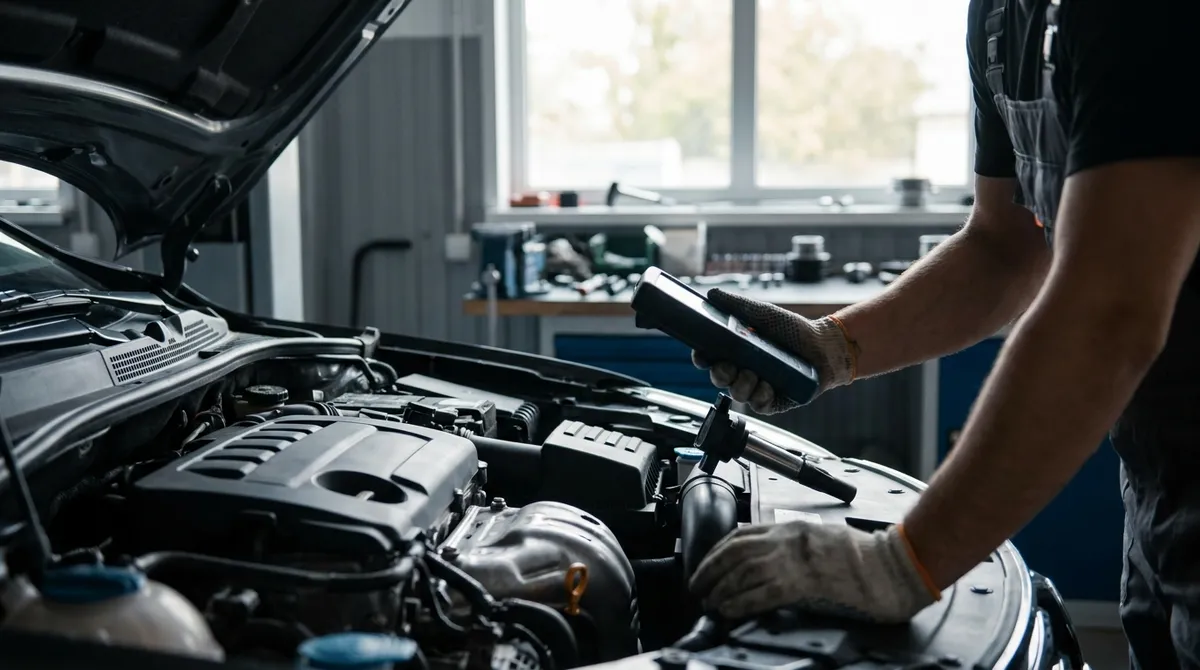
When your check engine light comes on and you pull a P0300 code, it means the engine is misfiring. The tricky part is that ‘P0300’ doesn’t point to a specific cylinder like P0301 or P0302 would. It just says there’s a random, multiple misfire happening. This makes it a bit harder to diagnose, but by working through the common causes in a logical order, you can usually pinpoint the problem.
Start with the Basics: Fuel, Air, Spark
Most engine misfires come down to one of these three things being out of whack in one or more cylinders. Since the P0300 code doesn’t tell you which cylinder, you’ll need to check components that affect all cylinders, or at least multiple ones.
- Spark: Check your spark plugs, ignition coils, and spark plug wires (if your vehicle uses them). Look for cracks in coil boots, frayed wires, or fouled spark plugs. Sometimes, a failing coil will arc, and you might even hear it or see it in the dark. If you haven’t changed plugs in a while, that’s a cheap and easy place to start.
- Fuel: Low fuel pressure or dirty fuel injectors can cause a random misfire. You might need a fuel pressure gauge to check the pump’s output. A clogged fuel filter could also be starving the engine of fuel. If one or more injectors are gummed up, the engine won’t get the right amount of fuel.
- Air: Vacuum leaks are common culprits. Listen for a hiss around the intake manifold, vacuum hoses, or the PCV valve. A smoke machine is the best way to find these, but you can sometimes spot them visually. A dirty Mass Airflow (MAF) sensor can also throw off the air-fuel mixture, leading to misfires across multiple cylinders. Issues with air and fuel often overlap with other codes, like when your engine runs lean, which you can learn more about in our article on P0171 lean codes. For a deeper dive into the common causes and fixes for this specific code, check out our guide on the P0300 random multiple cylinder misfire.
Engine Health Checks: Compression and Timing
If the basics check out, it’s time to dig a little deeper into the engine’s internal health. These issues are more serious and often require professional help, but it’s good to know what you’re looking for.
- Compression Test: This tells you if the engine’s internals are healthy. Low compression on one or more cylinders means mechanical trouble – worn piston rings, bad valves, or a blown head gasket. If you find low compression, especially on multiple cylinders, you’re looking at a major repair.
- Timing Issues: If the engine’s timing is off, it won’t run right, and misfires are a common symptom. This could be a stretched timing chain, a jumped timing belt, or issues with variable valve timing (VVT) components like solenoids or actuators. These usually require digging into the front of the engine, which is a big job. Understanding general engine symptoms can help you connect the dots between what you feel and what the code means.
Exhaust and Sensors
Sometimes the problem isn’t directly with the engine’s ability to create combustion, but with how it’s breathing or how its sensors are reporting to the computer.
- Restricted Exhaust: A clogged catalytic converter can create back pressure, causing the engine to struggle and misfire. You can test this with a vacuum gauge or a back pressure gauge. If the exhaust isn’t flowing freely, the engine can’t expel spent gases efficiently.
- Faulty Sensors: While not always direct causes, certain sensors can confuse the engine computer, leading to misfires. Oxygen sensors, a bad MAF sensor (which we mentioned earlier), or even crank/camshaft position sensors can all contribute. If an O2 sensor is sending bad data, the engine’s fuel trims will be off. Sometimes, you need to replace one or all O2 sensors depending on the diagnosis.
What it typically costs
The most common cause of P0300 — worn or fouled spark plugs (all cylinders due for replacement) — typically runs $60–$350 in parts and labor at an independent U.S. shop. Across every cause we track for this code the range is $60–$5,000, because a P0300 can be anything from a cheap sensor to a major component.
These are editorial estimates, not quotes: what you actually pay moves with your region, the shop’s hourly rate, which engine you have, and how much diagnostic time the job takes. Dealer service departments typically sit above these ranges. See the P0300 guide for the full ranked breakdown and per-vehicle details.
When to Call for Backup
If you’ve checked the easy stuff – spark, fuel, and air delivery – and the misfire is still there, especially if you find low compression or suspect timing problems, it’s time to get a professional involved. These issues often require specialized tools and experience to fix right. Don’t chase a ghost and break something else.
The MECH AI app can help you narrow down the possibilities for your specific vehicle by looking at common issues and TSBs, giving you a better idea of what to check next or what to tell your mechanic. But remember, for complex internal engine problems, a trip to the shop is usually the smartest move.
Frequently asked
What does a P0300 code mean?
P0300 is a random or multiple-cylinder misfire — the engine is not firing cleanly and the computer cannot pin it to one cylinder. Cylinder-specific codes like P0301 to P0308 point at a single cylinder instead.
What are the most common causes of P0300?
Worn spark plugs, failing ignition coils, vacuum leaks, low fuel pressure, or a lean condition are the usual suspects. Because it is random, start with the cheap wear items (plugs) and check for vacuum leaks before chasing anything expensive.
Is it safe to drive with a P0300?
Go easy. A flashing check-engine light with a misfire means raw fuel is reaching the catalytic converter and can overheat it — pull over if it flashes. A steady light with a mild misfire is drivable to the shop, gently.