P0171 Lean Code: Common Causes & How to Find Them
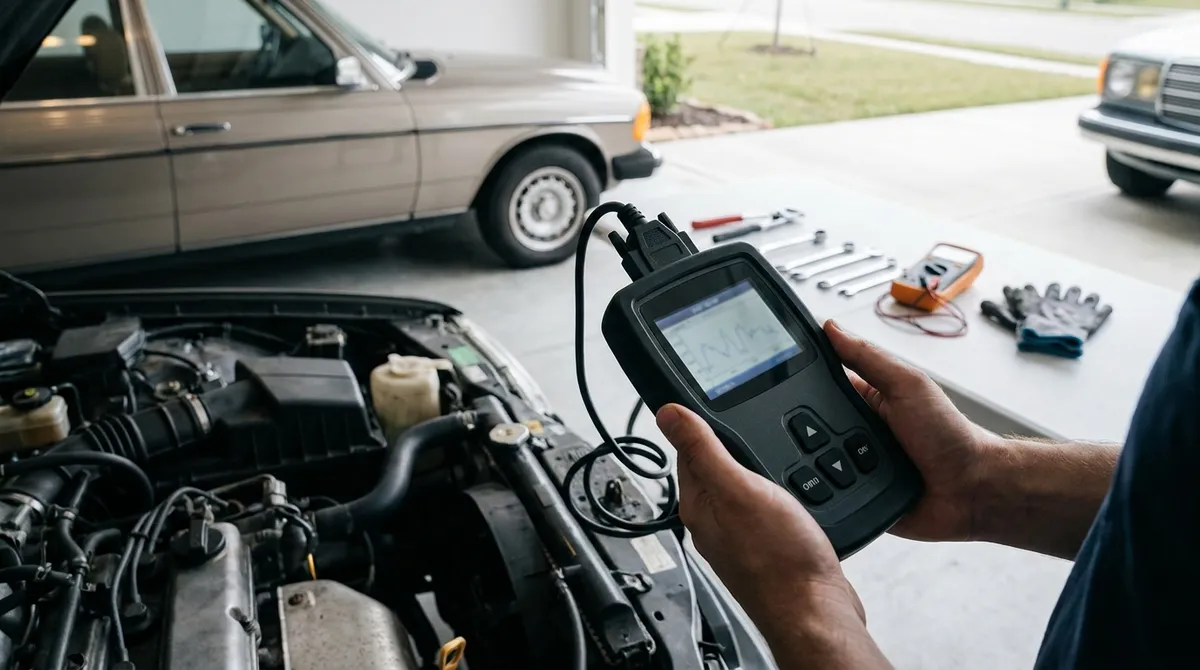
The P0171 code, “System Too Lean (Bank 1),” is a common one that can pop up on your scanner. It means the engine’s computer (PCM) is seeing too much air or not enough fuel on one side of the engine (Bank 1). While the code itself is clear, finding the root cause can sometimes feel like chasing a ghost.
Vacuum Leaks: The Usual Suspect
More often than not, a P0171 code points to a vacuum leak. This is unmetered air getting into the engine after the Mass Air Flow (MAF) sensor, throwing off the air/fuel ratio. The PCM tries to compensate by adding more fuel, but if it can’t keep up, it sets the lean code.
What to check:
- Intake Manifold Gaskets: These seal the intake to the cylinder head. Over time, they can dry out, crack, or shrink, creating a leak.
- Vacuum Hoses: Look for cracked, brittle, or disconnected vacuum lines. There are a lot of them, running to things like the brake booster, PCV valve, EGR valve, and various solenoids. Wiggle them and listen for changes in engine idle.
- PCV System: The Positive Crankcase Ventilation system is a common culprit. A cracked PCV hose or a PCV valve stuck open acts like a direct vacuum leak.
- Brake Booster: A failing brake booster can cause a significant vacuum leak, often accompanied by a hard brake pedal.
- Throttle Body Gasket: The gasket where the throttle body mounts to the intake manifold can also fail.
How to find them:
- Smoke Machine: This is the most effective method. A smoke machine pumps non-toxic smoke into the intake system, and you’ll see smoke escaping from any leaks.
- Carburetor Cleaner/Propane: Carefully spray small bursts of unlit propane or carburetor cleaner around suspected leak areas. If the engine RPM changes, you’ve found a leak. Be careful with flammables around hot engines.
- Listen: A distinct hiss can sometimes point you right to a leak.
Fuel Delivery Problems: Not Enough Gas
If the engine isn’t getting enough fuel, it’ll run lean. This isn’t about air getting in, but fuel not getting out.
What to check:
- Clogged Fuel Filter: A restricted fuel filter reduces fuel flow and pressure to the engine. This is a common maintenance item that often gets overlooked.
- Weak Fuel Pump: The fuel pump’s job is to maintain adequate pressure. If it’s failing, it might not be able to keep up, especially under load. You’ll need a fuel pressure gauge to test this at the fuel rail.
- Dirty or Clogged Fuel Injectors: Injectors can get gummed up with deposits, restricting the spray pattern or reducing the amount of fuel delivered. This can cause a lean condition on one or more cylinders, leading to the P0171. Sometimes a good fuel system cleaner can help, but severe cases might require professional cleaning or replacement.
Mass Air Flow (MAF) Sensor: The Air Measurer
The MAF sensor measures the amount of air entering the engine. The PCM uses this information to calculate how much fuel to inject. If the MAF sensor is dirty or faulty, it might report less air than is actually entering the engine. The PCM then injects less fuel, causing a lean condition.
What to check:
- Dirty Sensor: Debris, oil, or dirt can accumulate on the MAF sensor’s hot wire or film. This is especially common if you use an oiled aftermarket air filter.
- Sensor Malfunction: Sometimes the sensor just fails internally.
- Wiring Issues: Check the wiring harness and connector for damage or corrosion.
How to check:
- Clean it: Use a dedicated MAF sensor cleaner (never use carburetor cleaner or brake cleaner). Spray it liberally onto the sensor element and let it air dry.
- Live Data: Use a scan tool to monitor MAF sensor readings (grams per second, g/s) at idle and at higher RPMs. Compare these readings to specifications for your vehicle. If the readings are consistently low, the sensor might be faulty or dirty.
What it typically costs
The most common cause of P0171 — vacuum leak (intake manifold gasket, pcv hose, intake boot, brake booster hose) — typically runs $80–$600 in parts and labor at an independent U.S. shop. Across every cause we track for this code the range is $30–$1,200, because a P0171 can be anything from a cheap sensor to a major component.
These are editorial estimates, not quotes: what you actually pay moves with your region, the shop’s hourly rate, which engine you have, and how much diagnostic time the job takes. Dealer service departments typically sit above these ranges. See the P0171 guide for the full ranked breakdown and per-vehicle details.
Oxygen (O2) Sensor: The Exhaust Sniffer
The upstream oxygen sensor (the one before the catalytic converter) monitors the oxygen content in the exhaust gases. It’s the primary feedback sensor for fuel trim. If this sensor is faulty and reporting a false “lean” condition, the PCM will try to add more fuel, but if the sensor is actually stuck lean, or reporting incorrectly, it can cause the PCM to make incorrect adjustments.
What to check:
- Sensor Failure: O2 sensors wear out over time, becoming slow or inaccurate.
- Contamination: Silicone, antifreeze, or oil can contaminate the sensor, causing it to read incorrectly.
- Wiring: Check for damaged or corroded wiring to the sensor.
How to check:
- Live Data: Use a scan tool to monitor the upstream O2 sensor’s voltage or lambda readings. It should cycle rapidly between rich and lean (high and low voltage). If it’s stuck low (indicating lean) or not cycling properly, it could be faulty. Keep in mind, a faulty O2 sensor often reports a problem rather than causing the lean condition directly, but a bad sensor can lead the PCM astray.
When a P0171 code shows up, start with the most common and easiest checks first. A systematic approach saves time and keeps you from throwing parts at the problem. The MECH AI app can help you organize your diagnostic steps and give you a clearer path forward. If you’ve gone through these common issues and are still scratching your head, it’s probably time to take it to a trusted shop. Some problems need specialized tools or experience to track down.
Frequently asked
What does P0171 mean?
P0171 means the engine is running lean on Bank 1 — too much air or too little fuel, so the computer is adding fuel to compensate and has hit its limit. P0174 is the same problem on Bank 2.
What usually causes a P0171 lean code?
The top causes are unmetered air getting in — a vacuum leak, a leaking intake gasket, or a torn PCV/intake hose — followed by a dirty MAF sensor, a weak fuel pump, or clogged injectors. Check for vacuum leaks first; they are cheap and common.
Can I drive with a P0171?
Short-term yes, but a persistent lean condition can cause misfires, rough idle, and over time damage from higher combustion temperatures. Fix the leak or dirty sensor sooner rather than later.