Rough Idle, No Check Engine Light: What to Check First
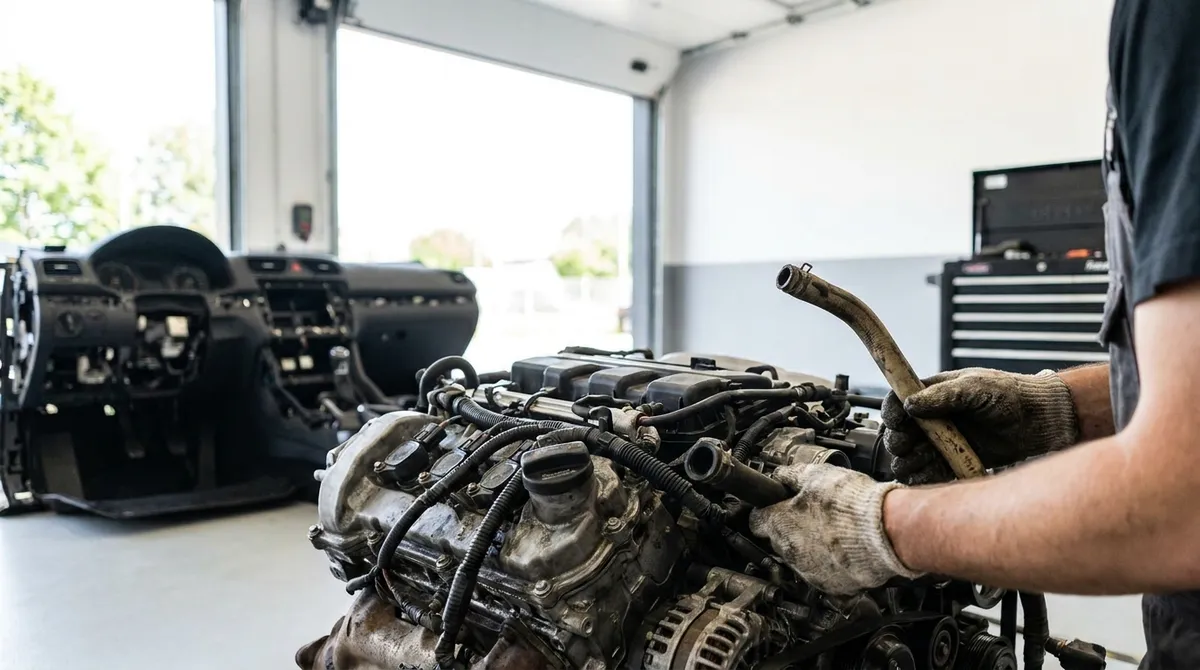
It’s a common head-scratcher: your engine is shaking, sputtering, or just plain running rough when you’re stopped, but that dreaded check engine light stays dark. This can be frustrating because without a code, it feels like you’re hunting in the dark. But don’t worry, there’s a method to this madness.
The Engine’s Recipe: Air, Fuel, Spark
An internal combustion engine needs three things to run right: the right amount of air, the right amount of fuel, and a strong spark at the right time. If any of these are off, even a little, you’ll feel it as a rough idle. The reason you don’t have a check engine light is usually because the problem isn’t severe enough yet to trip the computer’s thresholds. It’s like a slight limp before a full sprain. Understanding these basics is the first step in figuring out what’s going on with your car’s symptoms.
Air Delivery Issues
Problems with how your engine gets its air are often the easiest to spot and fix.
- Vacuum Leaks: These are sneaky. A cracked vacuum hose, a bad PCV valve, or a leaking intake manifold gasket can let “unmetered” air into the engine. This throws off the air/fuel mix, making the engine run rough. You can sometimes hear a hiss, or try spraying a small amount of unlit propane or carb cleaner around vacuum lines and listen for a change in engine RPM. Just be careful around hot engine parts. These leaks are a common cause of lean codes like P0171, even if your light isn’t on yet.
- Dirty Mass Air Flow (MAF) Sensor: This sensor tells the computer how much air is coming into the engine. If it’s coated in grime, it sends bad info, leading to incorrect fuel delivery. You can clean it carefully with MAF sensor cleaner, but don’t touch the wires inside.
- Clogged Air Filter: While less likely to cause a rough idle specifically, a severely clogged air filter restricts airflow, making the engine work harder and potentially run less smoothly. Easy to check and replace.
- Dirty Throttle Body: Carbon buildup around the throttle plate can restrict airflow at idle, especially on drive-by-wire systems. A good cleaning with throttle body cleaner can often smooth things out.
Fuel System Glitches
If the engine isn’t getting the right amount of fuel, or the fuel isn’t atomizing correctly, you’ll definitely feel it.
- Weak Fuel Pump: The fuel pump delivers fuel from the tank to the engine. If it’s getting weak, it might not maintain consistent pressure, especially at idle. This usually requires testing fuel pressure with a gauge. Before you open any fuel line or fitting, relieve the fuel system pressure first — fuel systems stay pressurized long after the engine is shut off, and a line cracked open under pressure sprays atomized fuel across a hot engine bay. Look up the relief procedure for your vehicle, wear eye protection, work on a cool engine, and keep a fire extinguisher within reach.
- Clogged Fuel Filter: While many modern cars have “lifetime” filters, older vehicles or those with poor fuel quality can still suffer from a clogged filter restricting fuel flow.
- Dirty Fuel Injectors: Over time, injectors can get clogged with deposits, leading to a poor spray pattern or reduced fuel delivery to one or more cylinders. This can cause a rough idle or even an intermittent misfire. Fuel system cleaners can sometimes help, but severe cases might need professional cleaning or replacement.
Ignition System Weaknesses
A strong spark is crucial. Even a slightly weak spark can cause a cylinder to misfire intermittently without fully tripping a code.
- Worn Spark Plugs: Spark plugs wear out. If they’re old, fouled, or improperly gapped, they won’t provide a consistent spark. Check them for wear, proper gap, and any signs of oil or carbon buildup. You can learn more about spark plug maintenance.
- Failing Coil Packs/Ignition Coils: Modern engines often have individual coil packs for each cylinder. These can start to fail intermittently, especially when hot, causing a misfire that isn’t constant enough to trigger a P0300 code right away. Swapping coil packs between cylinders can sometimes help identify a weak one if the rough idle moves.
- Bad Spark Plug Wires: On older vehicles, the wires connecting the coil to the spark plugs can degrade, leading to resistance and a weaker spark.
Other Potential Culprits
Sometimes the problem isn’t one of the big three, but something else affecting engine operation.
- Oxygen (O2) Sensors: While usually associated with codes, an O2 sensor can get lazy slowly enough that it never trips a light. As it ages it responds more sluggishly, and the computer’s fuel corrections end up lagging behind what the engine actually needs. At cruising speed you’d never notice. At idle, where the margins are thin, it can show up as a slight stumble.
- EGR Valve Sticking Open: An EGR valve that isn’t seating fully lets exhaust gas into the intake at idle, which is exactly when the engine doesn’t want any. The classic symptom is a rough, hunting idle that smooths out as soon as you’re moving.
- Low Compression: Worth understanding why this can hide from the computer. Misfire detection works by comparing cylinders against each other, so one badly-down cylinder usually trips a misfire code — but compression that has dropped evenly across all of them, from age and ring wear, gives the monitor no outlier to catch. The engine just idles worse than it used to with nothing to show for it. A compression test answers this quickly, and it’s worth reaching for when nothing else explains what you’re feeling.
Working Through It
Start cheap, and start with air. Vacuum leaks and a dirty throttle body account for a large share of no-code rough idles, and both cost next to nothing to rule out. Work through ignition next, then fuel. Change one thing at a time so you know what actually fixed it.
If you’ve been through all three and it’s still rough, that’s a fair point to hand it over. A technician watching live fuel trims with a scan tool can find in an hour what takes a weekend to chase blind, and a rough idle with no code is exactly the kind of problem where that trade is worth it. The AI Mechanic can help you narrow the list for your specific vehicle before you start.
Frequently asked
Why does my car idle rough with no check-engine light?
A rough idle without a code often comes from a vacuum leak, a dirty throttle body or idle-air passage, carbon buildup on intake valves, worn plugs, or a weak fuel injector — problems that upset idle before they trip a monitor.
What should I check first for a rough idle?
Start cheap: look and listen for vacuum leaks, check the condition of the spark plugs, and clean the throttle body. If it idles fine warm but rough cold (or vice versa), note that — it helps narrow the cause.
Is a rough idle safe to drive with?
Usually yes in the short term, but it points to a running problem that can worsen and hurt fuel economy. Diagnose it before it turns into stalling or a misfire.