Loose Steering at Highway Speeds: What to Check First
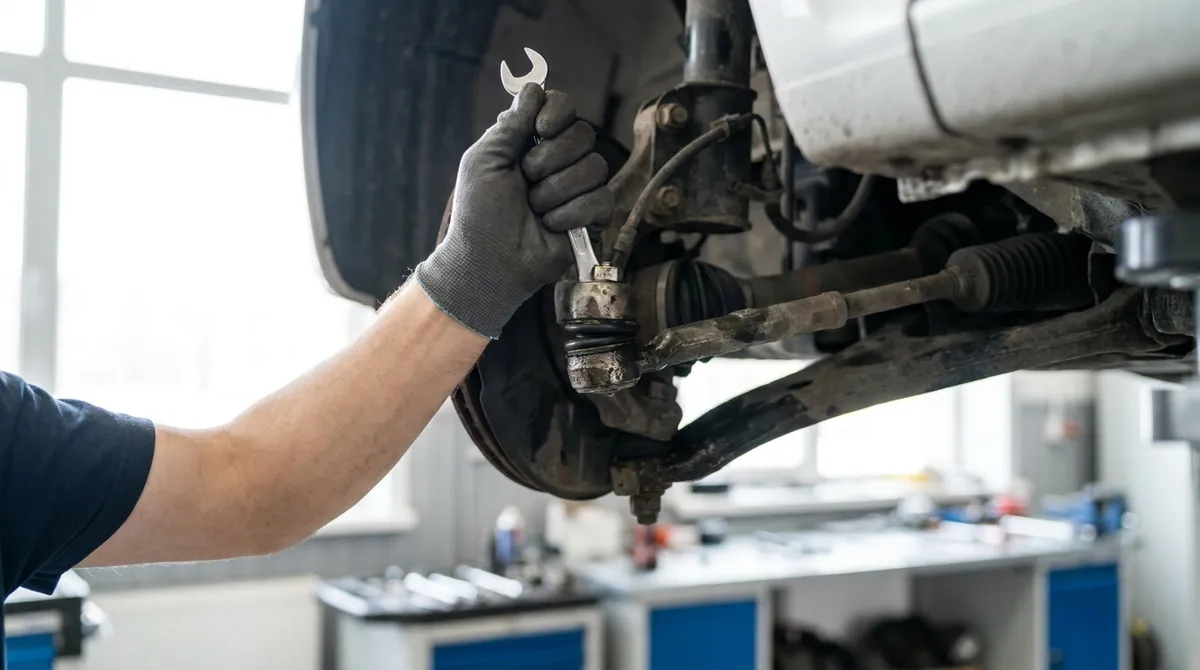
When your car feels like it’s wandering all over the lane at highway speeds, or the steering wheel just feels disconnected from the road, it’s more than just an annoyance. That loose, vague feeling can be unsettling and, more importantly, unsafe. It’s a sign something in your steering or suspension system isn’t right. Before you start replacing every part under the car, let’s go through the most common culprits and how to check them.
Start with the Tires and Alignment
This might seem too simple, but it’s often the easiest and cheapest fix. Tires are your only connection to the road, and their condition heavily influences steering feel.
- Tire Pressure: Low tire pressure, especially on one side, can make the car pull or feel less stable. Check all four tires with a reliable gauge when they’re cold. Don’t forget the spare if it’s a full-size.
- Uneven Tire Wear: Look at the tread. Is it worn more on one side of the tire, or are there “cupping” patterns? This points to alignment issues, worn suspension parts, or unbalanced tires.
- Tire Balance: An unbalanced tire can cause vibrations, but it can also make the steering feel less precise, especially at speed. If you recently had new tires installed or hit a big pothole, it’s worth checking.
- Alignment: If your car drifts or pulls to one side, or the steering wheel isn’t centered when you’re driving straight, you likely have an alignment problem. A bad alignment can cause the car to feel “darty” or vague because the wheels aren’t pointing exactly where they should be. This is usually a job for a shop with the right equipment, but checking tire wear can give you a hint. For more general help diagnosing car issues, check out our symptom guides hub.
The Steering and Suspension Hard Parts
Once you’ve ruled out the tires, it’s time to get under the car and look at the actual components that connect your steering wheel to the wheels. This is where most of the play usually comes from. For more detailed repair guides and common fixes, you can always check the MECH AI fix database.
- Tie Rod Ends: These connect the steering rack to the wheel hub. Inner and outer tie rod ends can wear out, causing play. To check, jack up the front of the car, grab the tire at 3 and 9 o’clock, and try to rock it back and forth. Any significant play here usually means a tie rod end is shot.
- Ball Joints: These allow the suspension to move while keeping the wheel attached. Worn ball joints can cause clunking noises over bumps and a loose, wandering feeling. Check these by jacking up the car, grabbing the tire at 12 and 6 o’clock, and rocking it. Up-and-down play often points to a ball joint.
- Control Arm Bushings: These rubber or polyurethane parts cushion the connection between the control arm and the frame. When they wear out, they can allow too much movement, leading to a vague steering feel, especially under acceleration or braking. You might need a pry bar to check for excessive play here.
- Wheel Bearings: A bad wheel bearing usually makes a humming or grinding noise that gets louder with speed, but severe wear can also introduce play in the wheel, affecting steering. To check, jack up the wheel and spin it. Listen for noise and feel for roughness. You can also try to rock the wheel at 12 and 6 o’clock; excessive play here could be a bearing or a ball joint.
- Steering Rack or Gearbox: Less common for just a loose feel without other symptoms (like leaks or grinding), but internal wear in the steering rack or gearbox can also cause play. This is harder to diagnose without specialized tools or a professional.
Shocks, Struts, and Power Steering
These components might not be the first thing you think of for “loose steering,” but they play a big role in how your car handles and feels on the road.
- Worn Shocks or Struts: If your car feels like it’s floating or bouncing excessively, especially over bumps or during lane changes, worn shocks or struts are likely culprits. This can definitely contribute to a disconnected or vague steering feel at higher speeds, making the car feel less planted. If your car feels like a boat on the highway, you might want to read more about why your car feels floaty.
- Power Steering System: While a problem here usually makes the steering harder to turn, a low power steering fluid level or a failing pump could, in some cases, lead to inconsistent assist, making the steering feel unpredictable or vague. Check your power steering fluid reservoir. It should be between the ‘min’ and ‘max’ lines. Look for leaks around the pump and hoses.
Dealing with loose steering isn’t just about comfort; it’s about safety. Start with the easy stuff like tire pressure and a visual inspection. If you find play in any of the steering or suspension components, get it addressed quickly. If you’re not comfortable getting under the car, or you’ve checked the obvious things and are still scratching your head, it’s always smart to take it to a trusted shop. Sometimes, a professional diagnosis with the right equipment is the quickest way to get you back on the road safely. For more help understanding what might be going on with your specific vehicle, the MECH AI app can help you sort through the possibilities.