How to Test a Fuel Pressure Regulator
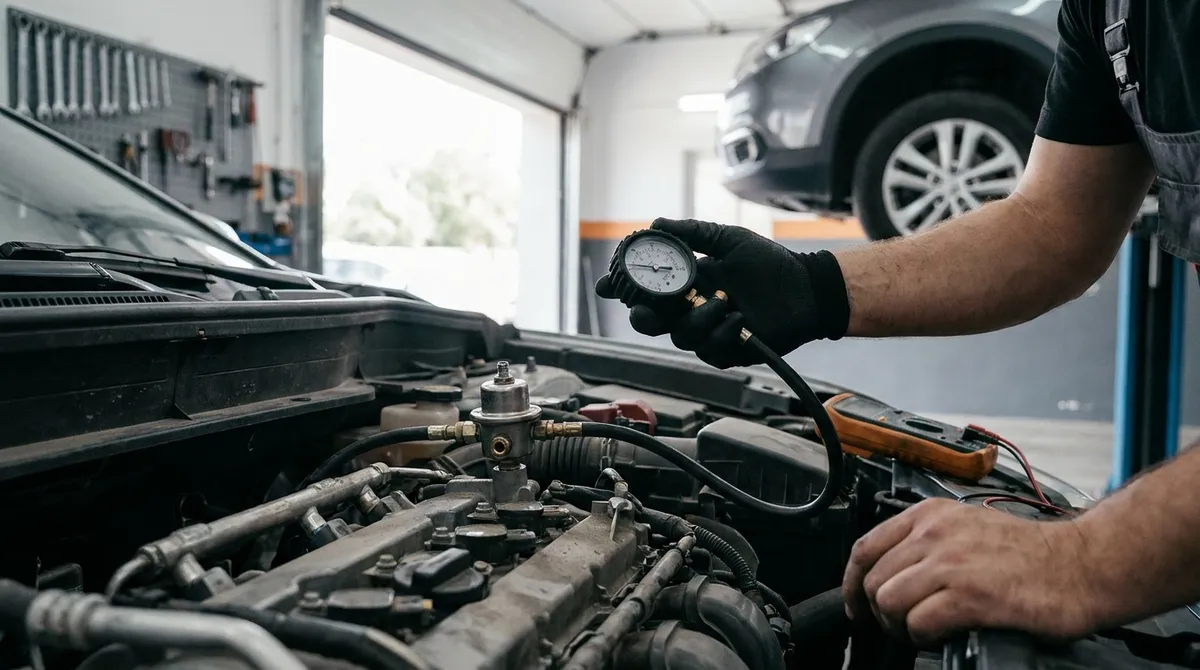
If your engine is sputtering, losing power, or just not running right, the fuel pressure regulator (FPR) might be the culprit. This small but important part makes sure your engine gets the right amount of fuel at the right pressure. When it acts up, your whole fuel system can go out of whack.
What the Fuel Pressure Regulator Does
Think of the fuel pressure regulator as the gatekeeper for your fuel rail. Its job is to control how much fuel pressure is delivered to the fuel injectors. If there’s too much pressure, the engine runs rich; too little, and it runs lean. Most older vehicles use a vacuum line from the engine’s intake manifold to tell the FPR how much pressure to allow. When engine vacuum is high (like at idle), the FPR lowers fuel pressure. When vacuum is low (like under acceleration), it raises fuel pressure. This keeps the fuel delivery consistent for different engine loads, which is critical for smooth operation.
Signs of Trouble & What You’ll Need
A bad FPR can cause a whole host of headaches. Keep an eye out for these signs:
- Hard Starting: Especially after the car has been sitting for a while. The fuel system might not be holding pressure.
- Rough Idle or Stalling: The engine isn’t getting a steady fuel supply. You might notice your car stalls at idle or stops.
- Poor Fuel Economy: Running too rich wastes gas.
- Black Smoke from Exhaust: Another sign of running rich, indicating too much fuel.
- Fuel Smell in Vacuum Line: A clear sign the diaphragm inside the FPR has failed.
- Engine Lacks Power or Hesitates: If the engine isn’t getting enough fuel under load, it’ll feel sluggish. This is a common symptom that can point to various issues, so it’s worth checking other things too. You can find more general symptom guides on our site.
Before you start testing, gather your gear:
- Fuel Pressure Gauge: This is non-negotiable. Make sure it has the right adapters for your fuel rail.
- Vacuum Pump/Gauge (optional but helpful): For testing the vacuum line directly.
- Basic Hand Tools: Wrenches, screwdrivers, etc.
- Safety Glasses and Gloves: Fuel is flammable, and you don’t want it in your eyes or on your skin.
- Shop Rags: For inevitable fuel spills.
- Fire Extinguisher: Just in case. Seriously.
Testing a Vacuum-Referenced Fuel Pressure Regulator
This is the type you’ll find on most older, return-style fuel systems. Always consult your vehicle’s service manual for specific fuel pressure specifications. If you don’t have a manual, the MECH AI app can help you look up the spec for your make and model; confirm it against service data before you condemn a part.
- Safety First: Work outside or in a well-ventilated space on a cool engine, and keep sparks, flames and cigarettes away. Relieve fuel system pressure before you open anything. On many vehicles, you can do this by pulling the fuel pump fuse or relay, starting the engine and letting it run until it stalls, then switching the ignition off. Check your manual for the exact procedure.
- Connect the Gauge: Locate the Schrader valve on your fuel rail (looks like a tire valve stem). Wrap a shop rag around it to catch any leftover fuel, then attach your fuel pressure gauge securely. Refit the fuel pump fuse or relay.
- Check Static Pressure: Turn the ignition to the “ON” position (don’t start the engine) and check the gauge connection for leaks. The pump should prime and the gauge should rise to the key-on pressure in your service manual. Note this reading. Then turn the ignition off and watch the gauge. Pressure should hold close to that reading for several minutes. A rapid drop often means a leaking injector, a bad check valve in the fuel pump, or a leaking FPR.
- Check Running Pressure (Vacuum Line Connected): Start the engine and let it idle. Note the fuel pressure reading.
- Check Running Pressure (Vacuum Line Disconnected): With the engine still idling, pull the vacuum line off the FPR and plug the hose so the engine doesn’t draw in extra air. The fuel pressure should increase, typically by about 5-10 PSI (use the figure in your service manual). If it doesn’t change, or changes very little, the FPR is likely faulty. Also check the hose itself: a cracked or loose vacuum line can mimic a bad regulator.
- Inspect Vacuum Line for Fuel: While the vacuum line is disconnected, check for any signs of fuel inside it. If you see fuel, the diaphragm in the FPR has failed, and it needs to be replaced. This is a definitive sign of a bad FPR.
- Compare to Specs: Compare all your readings to the manufacturer’s specifications. If they’re off, especially the pressure change with the vacuum line, the FPR is likely the problem. Low pressure across the board can also come from a weak fuel pump or a clogged fuel filter, so rule those out before buying a regulator.
- Remove the Gauge Safely: Shut the engine off, reconnect the vacuum line, and relieve fuel pressure again before unscrewing the gauge. Catch any fuel in a rag, refit the valve cap, and check for leaks with the engine running.
Newer Systems and What’s Next
Newer vehicles often use “returnless” fuel systems where the fuel pressure regulator is integrated into the fuel pump assembly inside the fuel tank. These systems have no vacuum line to the FPR, and many have no test port on the fuel rail. Testing these systems often requires specialized tools to tap into the fuel line or relies on diagnostic trouble codes (DTCs) from the engine control module (ECM) to indicate pressure issues. If you suspect a problem with a returnless system, it might be time to take it to a shop.
If your tests point to a faulty fuel pressure regulator, replacing a rail-mounted one is usually straightforward, but always relieve fuel pressure first and be ready for some fuel to spill. Make sure you get the correct part for your specific vehicle. If the check engine light is on, look up the stored codes and any related service bulletins in the MECH AI database before you order parts.
Testing your fuel pressure regulator might seem like a big job, but with the right tools and a careful approach, it’s a diagnostic step many can handle. Correct fuel pressure is crucial for your engine’s health and efficiency. If your tests confirm a bad FPR, replacing it should get your engine running smoothly again. If you’re still scratching your head after these checks, don’t hesitate to take it to a trusted mechanic.