Why Your Car Stalls at Idle or Stops
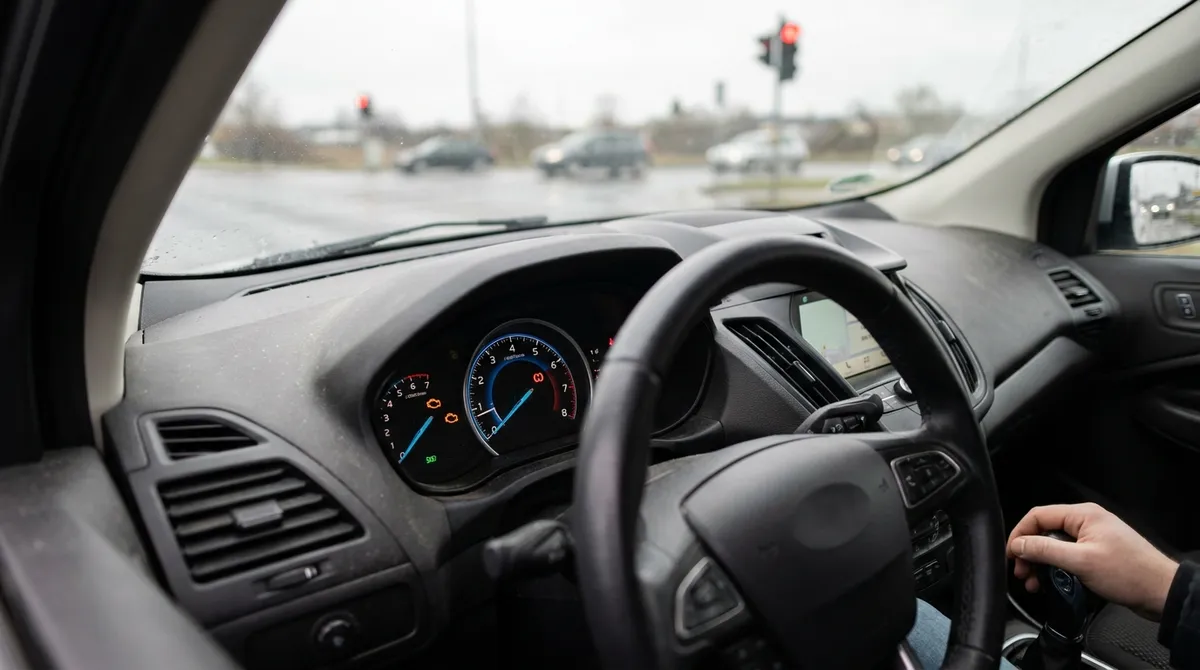
There’s nothing quite like the sudden silence of your engine cutting out when you’re waiting at a light or just pulling into a parking spot. It’s not just annoying; it can be a safety hazard. When your car stalls at idle or comes to a stop, it’s usually a sign that something isn’t quite right with how your engine is managing air, fuel, or spark at low RPMs. Let’s break down the usual suspects, starting with the most common culprits.
Dirty Throttle Body or Faulty Idle Air Control (IAC) Valve
This is often the first place we look. Your engine needs a precise amount of air to mix with fuel, even when your foot isn’t on the gas.
- What they do: The throttle body controls the air entering the engine. When you take your foot off the gas, the throttle plate closes. On many older vehicles, the Idle Air Control (IAC) valve regulates the small amount of air that bypasses this closed plate, keeping the engine running smoothly at idle. Newer cars often integrate this function directly into the electronic throttle body.
- The problem: Over time, carbon and crud build up inside the throttle body, especially around the throttle plate and the IAC passages. This gunk restricts airflow, making it hard for the engine to get enough air to maintain a stable idle. A failing IAC valve simply can’t regulate the airflow correctly.
- Symptoms:
- Rough or erratic idle.
- Engine stalls when coming to a stop or shifting into neutral/park.
- Engine dies shortly after starting, especially when cold.
- Poor acceleration or hesitation.
- What to check:
- Visually inspect the throttle body for carbon buildup.
- Try cleaning the throttle body with a dedicated throttle body cleaner (not carb cleaner, as it can damage coatings).
- If your car has a separate IAC valve, it might need to be cleaned or replaced.
Vacuum Leaks
Think of your engine as a giant air pump. It’s designed to pull in a specific amount of air through the air filter and throttle body, which the computer then measures. A vacuum leak is like a hole in a straw – you’re sucking in unmetered air from somewhere else.
- What they do: Vacuum lines, gaskets, and hoses are crucial for various engine functions. A leak introduces “extra” air that the engine’s computer doesn’t know about, throwing off the air-fuel mixture.
- The problem: When the engine is at idle, the vacuum is highest, making leaks more pronounced. This extra air leans out the mixture, causing the engine to struggle and stall.
- Symptoms:
- Rough idle.
- Hissing sound from the engine bay.
- Stalling, especially when coming to a stop.
- Check Engine Light, often with codes like P0171 or P0174 (indicating a lean condition).
- What to check:
- Listen carefully for any hissing sounds around the intake manifold, vacuum lines, and PCV valve.
- Visually inspect all rubber vacuum hoses for cracks, breaks, or disconnections.
- A common trick is to carefully spray unlit propane or a small amount of carb cleaner around suspected leak areas. If the engine RPM changes, you’ve found a leak. For a broader look at common car problems, check out our symptom guides. If you’re seeing a Check Engine Light with a lean code, our guide on P0171 Lean Code: Common Causes & How to Find Them can help narrow it down.
Fuel Delivery Issues
Your engine needs a steady supply of fuel at the right pressure. If it’s not getting it, it’s going to sputter and die.
- What they do: The fuel pump sends fuel from the tank, through a filter, and to the fuel injectors, which spray it into the engine cylinders.
- The problem:
- Clogged Fuel Filter: Restricts fuel flow, especially when the engine demands more.
- Weak Fuel Pump: Can’t maintain adequate pressure, leading to fuel starvation.
- Clogged Fuel Injectors: Don’t spray fuel properly, leading to misfires and poor combustion.
- Failing Fuel Pressure Regulator: Doesn’t maintain consistent fuel pressure.
- Symptoms:
- Engine cranks but won’t start (if severe).
- Stalling, especially under acceleration or when the engine is hot.
- Hesitation or sputtering.
- Reduced fuel economy.
- What to check:
- Listen for the fuel pump to prime (a faint whirring sound from the back of the car) when you turn the key to the “on” position (before starting).
- Check fuel pressure at the fuel rail with a pressure gauge.
- Consider when the fuel filter was last replaced; it’s a common maintenance item. For specific diagnostic steps tailored to your vehicle, the MECH AI Mechanic can walk you through the process.
Faulty Sensors or Electrical Components
Modern engines rely on a network of sensors to tell the computer what’s going on. If a key sensor is sending bad information, the engine won’t run right.
- What they do:
- Crankshaft Position Sensor (CKP) / Camshaft Position Sensor (CMP): Tell the computer the engine’s exact position and speed, crucial for spark and fuel timing.
- Mass Airflow (MAF) Sensor: Measures the amount of air entering the engine.
- Oxygen (O2) Sensors: Monitor exhaust gases to ensure the correct air-fuel mixture.
- EGR Valve: Recirculates a small amount of exhaust gas to reduce emissions and can cause issues if stuck open.
- The problem: A failing sensor can send incorrect data, causing the computer to miscalculate fuel delivery or spark timing, leading to stalling. An EGR valve stuck open acts like a major vacuum leak.
- Symptoms:
- Intermittent stalling, especially when warm.
- Hard starting or no-start conditions.
- Rough idle or misfires.
- Check Engine Light with specific sensor codes (e.g., P0335 for CKP, P0101 for MAF).
- What to check:
- The best first step here is to get your car scanned for codes. Even if the Check Engine Light isn’t on, there might be pending codes that point you in the right direction.
- Inspect wiring harnesses for any damage or corrosion. If your car is struggling to start at all, our Car Won’t Start? A Click-by-Click Diagnostic might be a good place to start.
Stalling at idle is a problem that needs attention. Start with the simpler checks like cleaning the throttle body or inspecting vacuum lines. If you’re not finding the culprit, or if you’re uncomfortable with the diagnostics, don’t hesitate to get it to a trusted shop. Getting it fixed sooner rather than later will save you headaches and potential further damage down the road.