Why Your Car Feels Floaty: Worn Shocks and Struts
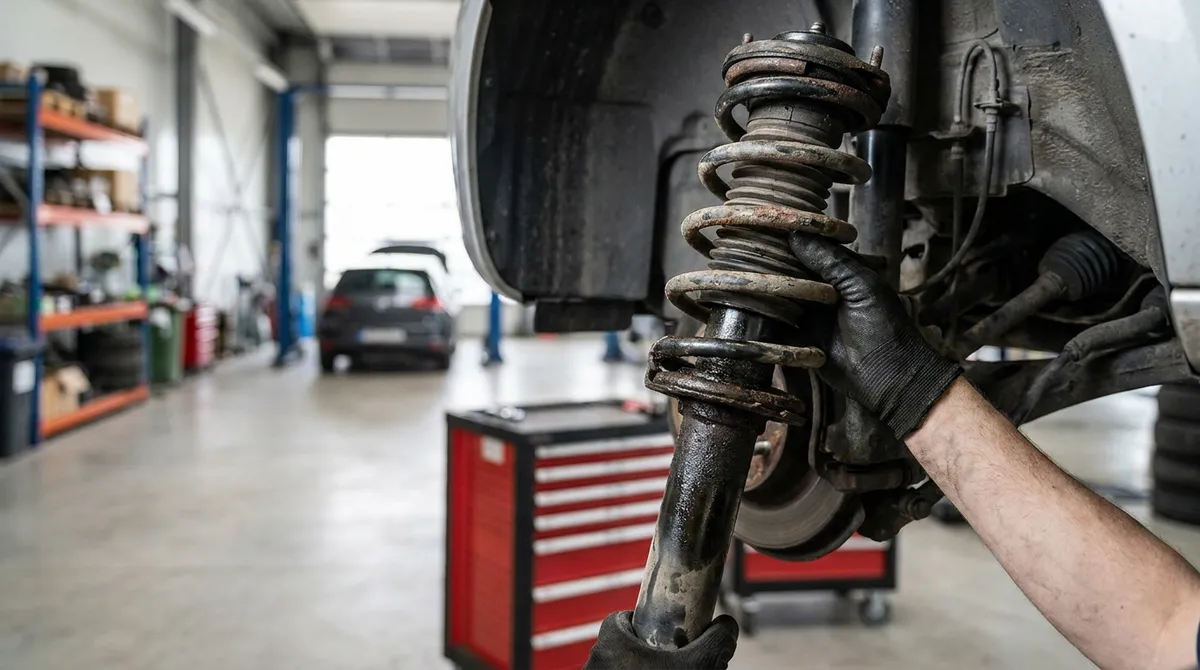
Does your car feel less like a solid machine and more like a trampoline after hitting a bump? That floaty, bouncy sensation often points to worn-out shocks or struts. It’s not just about comfort; it’s about how your car handles and stops.
What Shocks and Struts Actually Do
Think of shocks and struts as the bouncers for your car’s suspension. Springs absorb the initial impact of a bump, but without shocks or struts, your car would just keep bouncing up and down like a pogo stick. These components dampen that oscillation, keeping your tires firmly on the road. Struts are a bit different because they’re a structural part of the suspension, often combining the spring and the damper into one unit, especially in the front of many cars. Shocks are standalone damping units. Both do the same job of controlling unwanted motion.
Signs Your Shocks or Struts Are Giving Up
Your car will tell you when these parts are tired. Pay attention to these common symptoms:
- Excessive Bouncing or Swaying: This is the big one. After going over a speed bump or dip, if your car continues to bounce more than once or twice, your dampers are shot. You might also notice more body roll when turning.
- Nose Dive or Rear Squat: When you brake hard, does the front of your car dip excessively? Or does the rear squat heavily when you accelerate? That’s another sign of weak damping.
- Uneven Tire Wear: Because the tires aren’t being kept firmly on the road, they can “skip” or bounce, leading to cupping or scalloping patterns on the tire tread.
- Fluid Leaks: Take a look at the shock or strut body. If you see oily residue or actual drips, that means the seals have failed, and the internal fluid has escaped. No fluid, no damping.
- Clunking or Rattling Noises: Worn mounts or bushings associated with the shocks or struts can cause these noises, especially over rough roads.
- Rougher Ride: While a floaty ride is common, sometimes worn components can also lead to a harsher ride, as they’re not properly absorbing impacts.
If you’re noticing any of these issues, it’s worth digging a bit deeper. You can find more general information about various car problems on our symptoms guide.
The “Bounce Test” and Visual Inspection
You can do a quick check in your driveway to get an idea of what’s going on.
- The Bounce Test: Go to each corner of your car. Push down firmly on the fender, then release. A healthy suspension should bounce up once and settle. If it bounces up, down, and then up again, or continues to oscillate, the damper at that corner is likely worn out.
- Visual Check:
- Leaks: Look directly at the shock or strut body. Is it greasy, oily, or wet? A little road grime is normal, but a clear leak is not.
- Damage: Check for dents, bends, or rust on the shock/strut housing.
- Mounts and Bushings: Look at the rubber bushings and mounts at the top and bottom of the shock or strut. Are they cracked, torn, or excessively compressed? Bad bushings can cause noise and reduce effectiveness.
Why Fixing Them Matters (Beyond Comfort)
Ignoring worn shocks and struts isn’t just about tolerating a bumpy ride. It affects several critical aspects of your car’s operation:
- Braking Performance: When your car’s nose dives under braking, weight shifts dramatically, reducing the effectiveness of the rear brakes and potentially increasing your stopping distance.
- Handling and Control: A car with bad suspension doesn’t respond predictably. This makes emergency maneuvers more dangerous and general driving less stable, especially at highway speeds or in windy conditions.
- Tire Life: As mentioned, uneven tire wear can chew through expensive tires much faster than they should.
- Other Suspension Components: Worn dampers put extra stress on other suspension parts, like ball joints and tie rod ends, leading to premature wear on those components too. If you’re looking for common fixes or just want to understand how different parts work together, our fix database can be a good starting point.
When to Get a Professional Involved
While the bounce test and visual inspection can give you a good idea, replacing shocks and especially struts is often a job best left to the pros. Struts, in particular, involve compressing springs, which can be dangerous without the right tools and experience. After replacement, an alignment is almost always necessary to ensure your car tracks straight and doesn’t wear out your new tires.
If you’re unsure about the diagnosis or the repair, getting a professional opinion makes sense. Sometimes, a shop’s diagnostic fee makes sense and can save you a lot of guesswork and potential headaches down the road. You can always use tools like the MECH AI app to get an idea of potential issues and costs before you head to the shop.
Don’t let your car feel like a boat. Get those shocks and struts checked out. It’s a key part of keeping your ride safe, comfortable, and predictable.