P0301 Code: Cylinder 1 Misfire Causes & Fixes
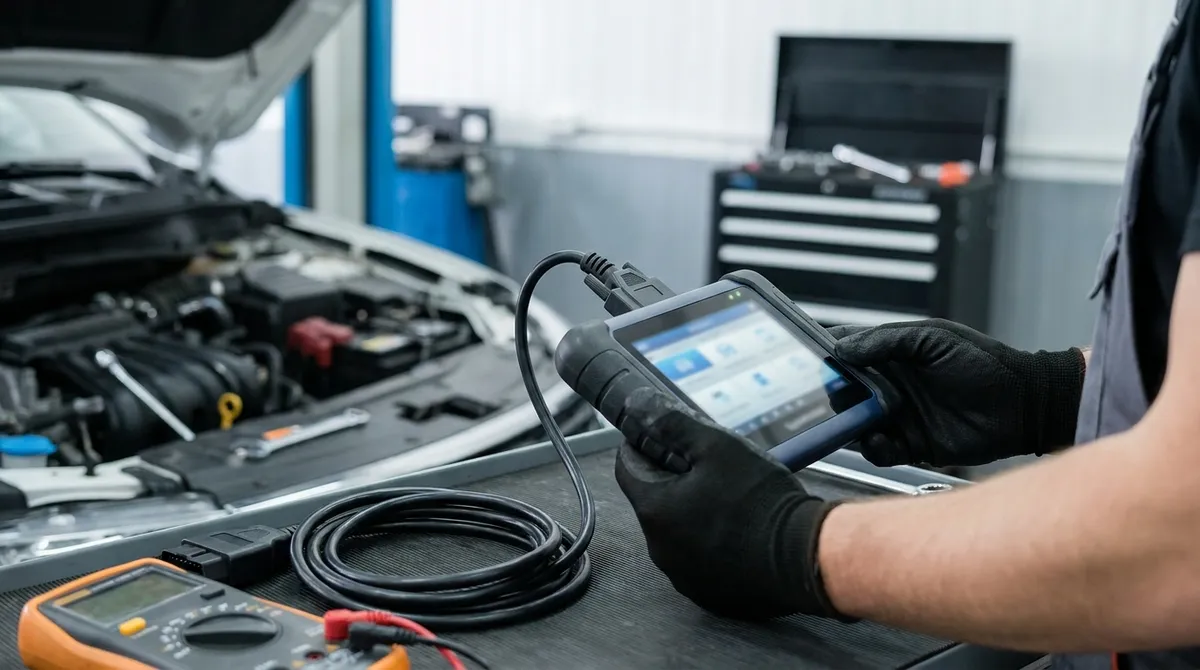
When your check engine light comes on and you get a P0301 code, your car’s computer is telling you there’s a misfire in cylinder number 1. This isn’t just a random error; it means that specific cylinder isn’t contributing its share of power, leading to a rough-running engine and potential damage if ignored.
What a P0301 Code Really Means
A misfire happens when one of the engine’s cylinders doesn’t fire correctly. For an engine to run smooth, each cylinder needs three things: the right amount of fuel, a strong spark, and good compression. When any of these are off, that cylinder misfires. The “P0301” part of the code breaks down like this: “P” is for Powertrain, “030” means a misfire detected, and the “1” points directly to cylinder #1.
You’ll likely notice symptoms like a rough idle, the engine shaking, a loss of power when you accelerate, or poor gas mileage. Sometimes, the check engine light will flash, which is a warning that the misfire is severe enough to potentially damage your catalytic converter. Don’t ignore a flashing light; a solid light means there’s a problem, but a flashing one means it’s urgent. For more on what your check engine light is trying to tell you, see our guide on why your check engine light is on. For a deeper look into what this code means for your specific vehicle and common fixes, you can check out our detailed guide on the P0301 code.
The “Big Three” Causes of a Misfire
When you’re chasing down a P0301, you’re looking for a problem with one of the three essentials for combustion in cylinder #1:
Spark Issues
- Bad Spark Plug: This is often the first thing to check. Spark plugs wear out over time, can get fouled with oil or carbon, or have an incorrect gap. A bad plug won’t ignite the fuel-air mix properly.
- Faulty Ignition Coil (or Coil Pack): Many modern engines have an individual coil for each spark plug. If the coil for cylinder #1 is weak or dead, it won’t deliver enough voltage to create a strong spark.
- Worn Spark Plug Wires: If your engine uses spark plug wires (less common on newer vehicles), a damaged or old wire can prevent the spark from reaching the plug.
For more on keeping your ignition system healthy, check out our article on spark plugs: gap, torque, and avoiding coil pack trouble.
Fuel Issues
- Clogged Fuel Injector: The fuel injector for cylinder #1 might be dirty or stuck, preventing it from spraying enough fuel into the cylinder. This leans out the mixture, causing a misfire.
- Low Fuel Pressure: While less likely to be cylinder-specific, overall low fuel pressure can sometimes manifest as a misfire in one cylinder first, especially if that injector is already a bit weak.
- Vacuum Leak: An unmetered air leak near cylinder #1 can lean out the fuel-air mixture specifically in that cylinder, leading to a misfire. This could be a cracked vacuum hose or a leaky intake manifold gasket.
Compression Issues
- Worn Piston Rings: If the piston rings in cylinder #1 are worn, they won’t seal properly, allowing combustion gases to escape past the piston. This reduces compression.
- Burnt or Bent Valve: A valve that isn’t sealing correctly in cylinder #1 will also lead to a loss of compression. This can happen from overheating or general wear.
- Blown Head Gasket: A head gasket leak between cylinder #1 and another cylinder, or between cylinder #1 and a coolant passage, can cause a loss of compression.
How to Start Diagnosing a P0301
Before you start throwing parts at the problem, a systematic approach saves time and money.
- Swap Components: If you suspect a spark plug or coil, try swapping the cylinder #1 spark plug with one from a healthy cylinder (e.g., cylinder #2). Clear the code and drive. If the misfire moves to cylinder #2 (P0302), you’ve found your bad plug. Do the same with the ignition coil.
- Check Fuel Injector: You can listen to the injector with a mechanic’s stethoscope (or a long screwdriver to your ear) to hear if it’s clicking. A professional might use a noid light to check the electrical pulse or a fuel pressure gauge to test fuel delivery.
- Inspect for Vacuum Leaks: Listen for a hissing sound around the intake manifold and vacuum lines near cylinder #1. You can also spray a small amount of unlit propane or carb cleaner around suspected areas; if the engine RPM changes, you’ve found a leak.
- Compression Test: This is a more involved test but definitively tells you if you have a mechanical problem with the cylinder itself (rings, valves, head gasket). A low reading on cylinder #1 compared to the others points to a compression issue.
What it typically costs
The most common cause of P0301 — failed ignition coil on cylinder 1 — typically runs $80–$450 in parts and labor at an independent U.S. shop. Across every cause we track for this code the range is $15–$3,500, because a P0301 can be anything from a cheap sensor to a major component.
These are editorial estimates, not quotes: what you actually pay moves with your region, the shop’s hourly rate, which engine you have, and how much diagnostic time the job takes. Dealer service departments typically sit above these ranges. See the P0301 guide for the full ranked breakdown and per-vehicle details.
When to Take It to the Shop
While some of these checks are DIY-friendly, diagnosing a P0301 can get complicated, especially if it’s not a simple spark plug or coil. If you’ve swapped parts and checked for obvious leaks without success, or if you don’t have the tools for a compression test, it’s time to consider professional help. Engine mechanical issues, like bad piston rings or valves, require significant teardown and specialized tools.
For complex diagnostics or to get a second opinion on what your car might be telling you, the MECH AI app can help you understand potential causes and typical repair costs for your specific vehicle. Our AI Mechanic can walk you through the possibilities.
A P0301 code is a clear signal that something is off in cylinder #1. Don’t let it go unchecked. Address it promptly to prevent more serious and expensive engine damage down the road.