P0442 Code: EVAP Small Leak Causes, Symptoms & Fixes
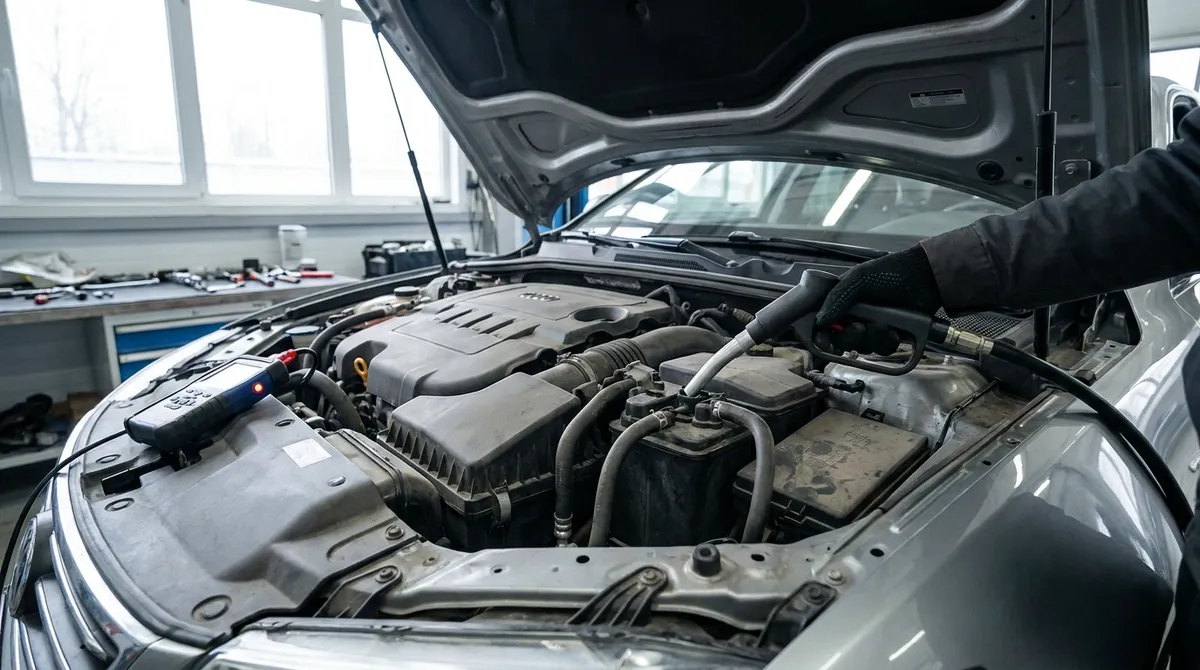
The check engine light comes on, you pull the code, and it’s a P0442: EVAP System Small Leak Detected. This code isn’t usually a roadside emergency, but it’s an emissions fault. It means your car is letting a tiny bit of fuel vapor escape, which isn’t great for the air or your wallet in the long run. Finding a small leak can be tricky, but there are a few usual suspects to check before you start tearing things apart.
What’s the EVAP System and What Does P0442 Mean?
First off, the EVAP (Evaporative Emission Control System) is designed to capture fuel vapors from your gas tank and send them to the engine to be burned, rather than letting them escape into the atmosphere. It’s a closed system, and when it’s not sealed tight, the car’s computer throws a code. If you’re curious about why your check engine light comes on in the first place, we’ve got a rundown on why your check engine light is on.
A P0442 code specifically points to a small leak. This isn’t a gaping hole; it’s often something subtle, like a cracked hose or a faulty valve that’s just barely letting air in or out. You might not notice any driving issues, but sometimes a small EVAP leak can cause a slight fuel smell, especially after filling up, or even a rough idle. For a deeper dive into the specifics of this code, including common causes and average repair costs by vehicle, check out our P0442 code deep-dive.
The system runs self-tests, often overnight or after a cold start, to check for these leaks. If it fails the pressure test, the light comes on.
Start with the Obvious: The Gas Cap
Before you get under the hood, start with the simplest thing: your gas cap. Seriously. A loose, damaged, or incorrect gas cap is the single most common cause of a P0442 code. It sounds too easy, but it’s true.
Here’s what to check:
- Tightness: Make sure it’s screwed on until it clicks at least a few times. If you just filled up, you might have rushed it.
- Condition: Take it off and inspect the rubber seal (gasket) on the cap. Is it cracked, dry-rotted, or missing? Even a small imperfection can break the seal.
- Correct Cap: Is it the right cap for your vehicle? Universal caps sometimes don’t seal properly. If it’s old or looks worn, a new gas cap is a cheap first step. Make sure it’s an OEM or equivalent quality part.
After checking or replacing the cap, clear the code and drive for a few days to see if it comes back. Sometimes that’s all it takes.
Beyond the Cap: Hoses and Valves
If the gas cap isn’t the culprit, it’s time to look at the rest of the EVAP system. This is where the “small leak” part gets tricky, as these leaks can be hard to spot.
Common leak points include:
- Vacuum Hoses: The EVAP system uses a network of rubber and plastic hoses. Over time, these can crack, become brittle, or simply work loose. Look for hoses that are visibly split, especially near connections, or feel hard and inflexible. Pay close attention to hoses connected to the purge valve and vent valve.
- Purge Valve (Canister Purge Solenoid): This valve, usually located under the hood near the engine, controls when fuel vapors are drawn into the engine. It can stick open, allowing a constant vacuum leak, or fail to seal completely. Sometimes you can hear it clicking, but a small internal leak won’t make noise.
- Vent Valve (Canister Vent Solenoid): Typically located near the charcoal canister, often under the vehicle near the fuel tank, this valve opens to allow fresh air into the system during the purge cycle and closes to seal the system during leak tests. If it’s stuck open or doesn’t seal, it’s a leak.
- Charcoal Canister: This component stores fuel vapors. While less common for a small leak, the canister itself can crack, or its seals can fail. It’s usually a black plastic box, often under the vehicle.
- Fuel Filler Neck/Hoses: The rubber hose connecting your filler neck to the gas tank can crack, or the clamps holding it can loosen. This is another spot where a small fuel smell might be noticeable. If you’re noticing any unusual smells, like fuel, oil, or burning rubber, our symptoms guide can help you narrow down the possibilities.
What to do:
- Visual Inspection: With the engine off and cool, carefully inspect every visible hose and connection in the EVAP system. Follow lines from the gas tank area forward to the engine. Use a flashlight and look for cracks, fraying, or loose clamps. Wiggle connections gently to see if they’re secure.
- Listen for Hissing: With the engine running (and safe to do so), listen carefully around the EVAP components for any faint hissing sounds, which could indicate a vacuum leak. This is often easier with a mechanic’s stethoscope or a length of hose held to your ear.
What it typically costs
The most common cause of P0442 — loose, worn, or cross-threaded fuel cap — typically runs $15–$60 in parts and labor at an independent U.S. shop. Across every cause we track for this code the range is $15–$900, because a P0442 can be anything from a cheap sensor to a major component.
These are editorial estimates, not quotes: what you actually pay moves with your region, the shop’s hourly rate, which engine you have, and how much diagnostic time the job takes. Dealer service departments typically sit above these ranges. See the P0442 guide for the full ranked breakdown and per-vehicle details.
When to Take It to the Shop
If you’ve checked the gas cap, all the visible hoses, and the common valve locations without finding anything obvious, it might be time for professional help. A small EVAP leak can be notoriously difficult to find without specialized tools.
The most effective way a shop finds these leaks is with a smoke machine. This machine pumps a non-toxic smoke into the EVAP system. If there’s a leak, the smoke will come out of it, pinpointing the exact location. This tool isn’t something most home mechanics have, and it requires specific adapters to connect to your vehicle’s EVAP system. While you might be able to find some DIY smoke test videos online, they often involve makeshift setups that can be risky or ineffective. Sometimes, paying for a diagnostic fee at a reputable shop is the most practical and efficient way to get to the bottom of a stubborn problem.
Finding a P0442 leak can be a bit like finding a needle in a haystack, especially if it’s truly small. Start with the easy stuff, then work your way through the common failure points. If the code keeps coming back after your checks, don’t just ignore it. Emissions systems are there for a reason, and a persistent leak can sometimes lead to other issues down the road. For specific guidance tailored to your vehicle’s make and model, the MECH AI app can help you narrow down the possibilities and suggest the most likely culprits for your particular car.
Frequently asked
What does a P0442 code mean?
P0442 is a small leak in the evaporative emissions (EVAP) system — the sealed system that captures fuel vapors. It is an emissions code, not a drivability problem.
Is a loose gas cap really the cause?
Often, yes. A loose, cracked, or worn gas cap is the single most common cause of P0442. Tighten or replace the cap, clear the code, and drive a few days before chasing anything more involved.
Is it safe to drive with P0442?
Yes. It will not hurt the engine and is safe to drive — but it will fail an emissions test and means fuel vapors are escaping, so it is worth fixing. Check the cap, then the EVAP hoses and purge valve.