Is Your Fuel Pump Failing? Here's What to Look For
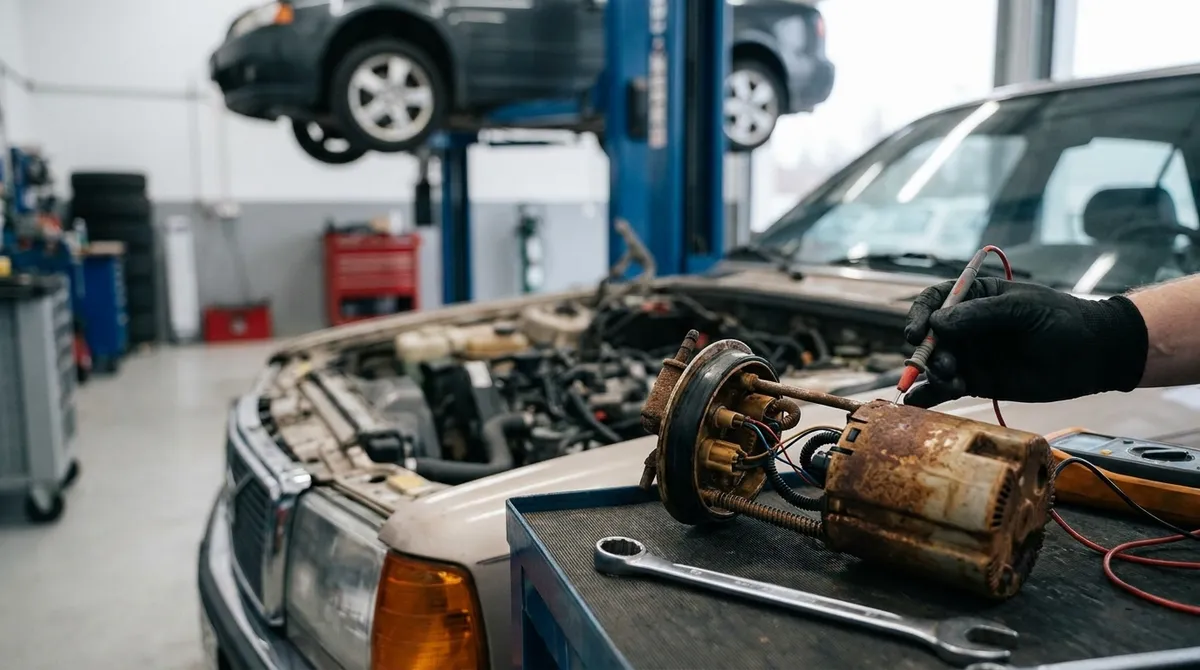
The fuel pump is one of those parts you don’t think about until it stops doing its job. Its job is simple: get fuel from the tank to the engine. When it starts to go bad, your car will usually give you some warnings before it leaves you on the side of the road. Knowing what to listen and feel for can save you a headache.
The Sounds of Trouble
A healthy fuel pump usually operates quietly, or at least its hum is drowned out by other engine noises. When it starts to wear out, it might get louder. You might hear a distinct whining or buzzing sound coming from the back of the car, usually from the area of the fuel tank. This noise often gets louder or changes pitch when you accelerate. It’s working harder to do its job, and that extra effort translates into noise. Think of it like a tired old vacuum cleaner. It still works, but it’s making a racket doing it. If you hear this, especially if it’s new, it’s worth checking out. It could be the pump itself, or it could be a clogged fuel filter making the pump strain.
Engine Performance Takes a Hit
The fuel pump delivers fuel under pressure. If that pressure isn’t consistent, your engine won’t get the steady supply it needs. This often shows up as performance problems.
- Hesitation or Stuttering: You might feel the car hesitate or stutter, especially when you’re trying to accelerate or go up a hill. It feels like the engine isn’t getting enough gas, because it probably isn’t.
- Loss of Power: Your car might feel sluggish, like it’s lost some of its get-up-and-go. This is common when the pump can’t keep up with demand, particularly at higher speeds or under load. If your car feels like it’s dragging its feet, it might be more than just a bad mood. You can read more about why your car feels sluggish and loses power in our other guides.
- Stalling: In more severe cases, the engine might stall out completely. This can happen at idle or even while driving. If your engine dies unexpectedly, especially after driving for a bit, a failing fuel pump is a strong suspect. A car that stalls while driving is a serious safety concern and needs immediate attention.
Starting Problems
When the fuel pump is really on its last legs, it might struggle to build enough pressure to start the engine.
- Hard Starting: You might have to crank the engine longer than usual before it catches. It’s trying to build up enough fuel pressure, but it’s taking its sweet time.
- No Start: The worst-case scenario is a complete no-start condition. You turn the key, the engine cranks, but it never fires up. This often means the pump isn’t delivering any fuel, or not enough to ignite. Before you blame the battery, listen for the fuel pump prime when you turn the key to the “on” position (before cranking). You should hear a brief hum from the back of the car. If you don’t, the pump might not be getting power, or it’s dead.
What to Check and Next Steps
If you suspect a fuel pump issue, there are a few basic things you can check yourself, though diagnosing a bad fuel pump often requires specific tools like a fuel pressure gauge.
- Listen for the Prime: As mentioned, turn the key to “on” (not start) and listen for a short hum from the back. No hum could mean no power or a dead pump.
- Check Fuses and Relays: The fuel pump has its own fuse and relay. Consult your owner’s manual to locate them and check if they’re blown or faulty. A bad relay is a much cheaper fix than a whole pump.
- Fuel Level: This might sound obvious, but make sure you actually have gas in the tank. A faulty fuel gauge can sometimes trick you.
- Professional Diagnosis: For a definitive answer, a mechanic will connect a fuel pressure gauge to the fuel rail and check the pressure while the engine is running and under load. They can also check the pump’s electrical connections and current draw. If you’re not comfortable messing with fuel lines, which can be under high pressure, it’s always best to take it to a shop. Sometimes, what seems like a fuel pump problem could be something else entirely, like a clogged fuel filter or even ignition issues. The MECH AI app can help you sort through symptoms and point you toward common causes for your specific vehicle. For more general help figuring out what’s wrong with your ride, check out our symptom guides hub.
A failing fuel pump isn’t something to ignore. It can leave you stranded and potentially damage other engine components if the fuel delivery is inconsistent. Pay attention to the signs your car is giving you. Catching these symptoms early can mean the difference between a planned repair and an emergency tow.