Soft Brake Pedal? How to Bleed Your Brakes
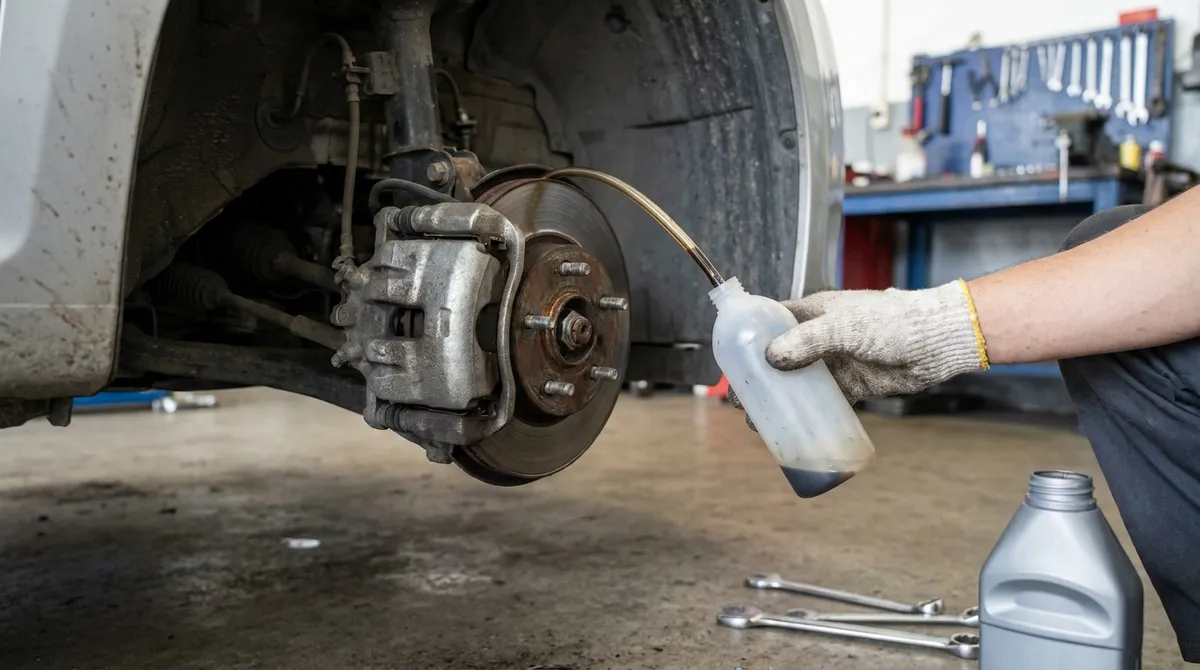
When you push the brake pedal and it feels soft, squishy, or just goes further to the floor than it should, that’s not just annoying – it’s a safety issue. A firm brake pedal is critical for stopping your vehicle reliably. This feeling usually points to air in your brake lines, but sometimes it’s something else entirely.
What a Soft Brake Pedal Means
A soft brake pedal usually means there’s air in your hydraulic brake system. Brake fluid is a liquid, and liquids don’t compress. Air, however, does. When you push the pedal, the master cylinder tries to push fluid to the calipers or wheel cylinders. If there’s air in the lines, the pedal force compresses the air before it effectively pushes the fluid, making the pedal feel spongy. It’s like trying to push water through a hose with a big air bubble in it.
Sometimes, it’s not just air. Other issues can cause a soft pedal, like a failing master cylinder, a leak in the brake lines, or even severely worn brake pads. It’s important to figure out the root cause before just jumping into a fix. For a quick rundown of other common issues, check out our general symptoms guide.
Before You Bleed: Check the Obvious
Don’t grab the wrench just yet. A soft pedal can be a symptom of a few things, and bleeding might not be the answer.
- Brake Fluid Level: Pop the hood and check the brake fluid reservoir. Is it low? If so, top it off with the correct DOT fluid for your vehicle (check your owner’s manual). Low fluid often points to a leak.
- Brake Fluid Condition: Is the fluid dark or murky? Old, contaminated fluid can also cause issues, though usually not a soft pedal directly. Still, it’s a good time to consider a flush.
- Leaks: Look around your wheels for any signs of fluid on the tires, rims, or ground. Check the brake lines running under the car for wet spots. Also, look at the master cylinder where it connects to the brake booster. Any leaks mean you need to fix those first.
- Worn Brake Pads: While usually causing a hard pedal or grinding, extremely worn pads can sometimes contribute to a longer pedal travel, which might feel soft. If you’re pressing the pedal and it feels like it’s going really far down, it’s worth checking your pads and rotors. If your pedal is hard to push instead of soft, you might be looking at a different problem altogether, which we covered in Why Your Brake Pedal Is Hard to Push.
The Bleeding Process: A Two-Person Job (Usually)
If you’ve checked everything else and suspect air, bleeding the brakes is the next step. This is best done with a helper.
- Gather Your Tools: You’ll need fresh brake fluid (the correct DOT type!), a clear hose that fits snugly over the bleeder screw, a catch bottle or jar, a wrench for the bleeder screws, and a buddy.
- Locate Bleeder Screws: Each wheel’s caliper or wheel cylinder will have a bleeder screw.
- Start Farthest Away: You always start with the wheel farthest from the master cylinder. On most left-hand drive cars, that’s the passenger rear, then driver rear, passenger front, and finally driver front.
- Prep the System: Make sure the brake fluid reservoir is full. Keep an eye on it throughout the process and top it off as needed. Letting it run dry will just introduce more air.
- The Dance:
- Your helper sits in the driver’s seat.
- You attach the hose to the bleeder screw and put the other end in the catch bottle, submerged in a little clean brake fluid.
- Tell your helper to press the brake pedal slowly and firmly to the floor and hold it there.
- While they hold the pedal down, you slowly open the bleeder screw about a quarter to a half turn. You’ll see fluid (and hopefully air bubbles) come out.
- Once the fluid stops flowing, close the bleeder screw completely.
- Then, tell your helper to release the pedal.
- Repeat this process (press, hold, open, close, release) until no more air bubbles come out of that wheel’s bleeder hose. The fluid should look clear and consistent.
- Move to the Next Wheel: Once one wheel is done, move to the next in the correct sequence.
- Check Pedal Feel: After all wheels are bled, have your helper pump the pedal a few times. It should feel firm.
When to Call a Pro
Bleeding brakes is a common DIY job, but some situations are best left to the pros.
- ABS System: If your vehicle has an Anti-lock Braking System (ABS), it might require a scan tool to cycle the ABS pump during bleeding, especially if the ABS module itself has air in it. Trying to bleed an ABS system without the right tools can be frustrating and ineffective.
- Persistent Soft Pedal: If you’ve bled the brakes thoroughly and the pedal is still soft, you likely have a more serious issue like a failing master cylinder, a hidden leak, or a problem with the ABS system.
- No Fluid Coming Out: If you open a bleeder and nothing comes out, you’ve got a blockage or a major master cylinder failure.
- Lack of Confidence: If you’re not comfortable working with brake systems, don’t risk it. Brakes are too important. Sometimes, paying for a professional diagnosis and repair is the smartest move. If you’re wondering about the cost, we’ve got a piece on When a Shop’s Diagnostic Fee Makes Sense.
A soft brake pedal isn’t just a minor annoyance; it’s a sign that your stopping power is compromised. Whether it’s a simple bleed or a more complex issue, getting it fixed promptly is non-negotiable for your safety. If you’re unsure, or just want to confirm your diagnosis, the MECH AI app can walk you through the troubleshooting steps specific to your vehicle, or you can just ask the AI Mechanic directly.