Harsh Shifts or Delayed Gears: Check Your Transmission Fluid
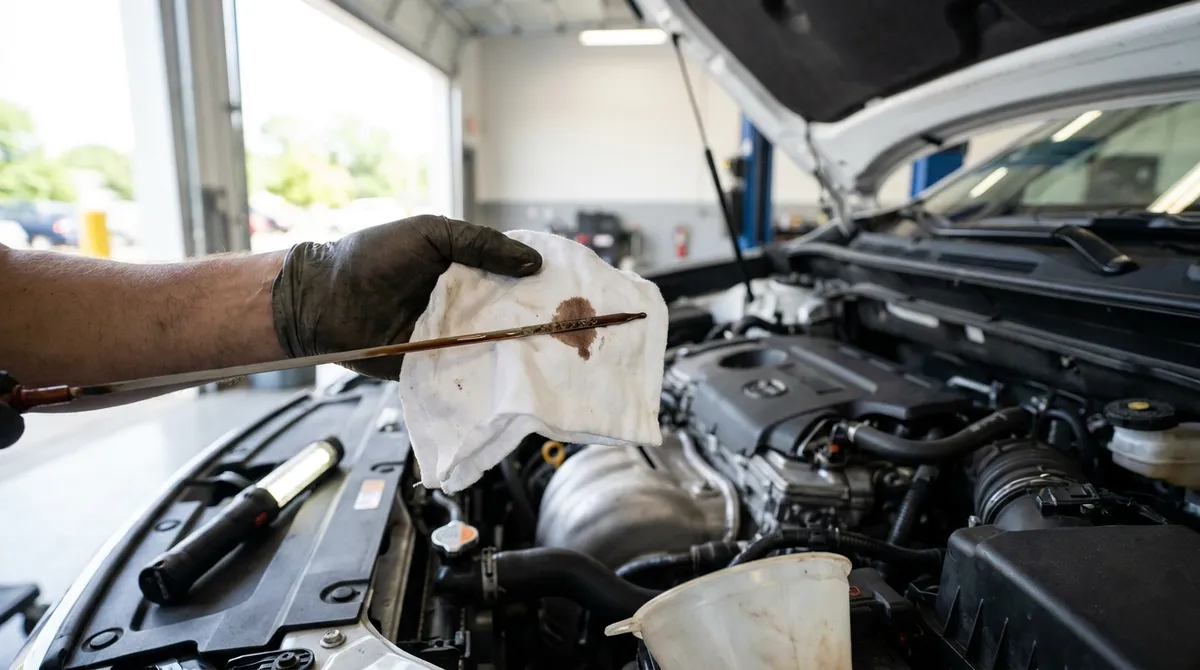
That jolt when your car shifts gears, or the noticeable pause before it finally engages, isn’t just annoying. It’s your car trying to tell you something. Often, one of the first and simplest places to look when dealing with harsh shifts or delayed gear engagement is the transmission fluid. It’s the lifeblood of your automatic transmission, and its condition can reveal a lot about what’s going on inside.
How to Check Your Transmission Fluid
Checking transmission fluid isn’t always as straightforward as checking engine oil, but it’s a critical first step. Most cars require the engine to be warm and running, with the car on level ground, to get an accurate reading.
- Warm Up the Car: Drive it for about 10-15 minutes to get the transmission fluid up to operating temperature.
- Park on Level Ground: Engage the parking brake.
- Locate the Dipstick: For many automatic transmissions, there’s a dipstick, often red or yellow, usually marked “ATF” (Automatic Transmission Fluid). Some newer vehicles have sealed transmissions without an easily accessible dipstick, which means a shop will need to check it.
- Check the Level: With the engine running (and the transmission in Park or Neutral, check your owner’s manual), pull the dipstick, wipe it clean, reinsert it fully, then pull it out again. The fluid level should be between the “hot” or “full” marks.
- Examine the Fluid: This is where the real detective work begins. Look at the color and smell of the fluid.
If you’re unsure about specific symptoms or where to start looking, our general symptom guides can help point you in the right direction.
What Different Fluid Conditions Mean
The color and smell of your transmission fluid are big indicators of your transmission’s health.
- Proper Level, Good Color (Bright Red) & Smell (Slightly Oily): This is what you want to see. If your fluid looks like this but you’re still having shift problems, the issue likely lies elsewhere, possibly with a sensor or internal component.
- Low Fluid Level: If the fluid is below the “add” mark, it’s a common cause of slipping, delayed engagement, or harsh shifts. Low fluid means the clutch packs aren’t getting enough hydraulic pressure to engage properly. The most common reason for low fluid is a leak. Check underneath your car for red puddles.
- Burnt Fluid (Dark Brown/Black, Burnt Smell): If the fluid is dark, smells like burnt toast, or has a strong, acrid odor, it’s a serious sign. This usually means the transmission has been running hot, and internal components like clutch packs are wearing out, creating excessive friction and heat. A fluid change might offer a temporary reprieve, but it’s often a symptom of bigger problems brewing inside. If you’re noticing a burning smell from your car, it’s worth checking out our guide on what’s that burning smell.
- Contaminated Fluid (Milky, Foamy, or Gritty): Milky or foamy fluid usually indicates water or coolant has mixed with the transmission fluid. This can happen if the transmission cooler, often integrated into the radiator, develops an internal leak. Water and transmission fluid are a terrible combination and can rapidly destroy the transmission. Gritty fluid suggests internal component wear, shedding metal particles.
Beyond the Fluid: Other Causes
Sometimes, the transmission fluid looks perfectly fine, but your car still acts up. In these cases, the problem isn’t the fluid itself, but something else in the transmission system.
- Clogged Filter: A dirty transmission filter can restrict fluid flow, even if the fluid level is correct. This can lead to pressure issues and affect shifting.
- Faulty Shift Solenoids: These are electronic valves that direct fluid to engage specific gears. If a solenoid fails, it can cause delayed shifts, harsh shifts, or prevent certain gears from engaging.
- Valve Body Issues: The valve body is like the brain of the transmission, directing fluid pressure to various circuits. Problems here can cause a wide range of shifting issues.
- Transmission Control Module (TCM) Problems: The TCM is the computer that controls the transmission. Software glitches, sensor failures, or wiring issues can lead to incorrect shift commands.
- Worn Internal Components: Over time, clutch packs, bands, and gears can wear out, leading to slipping and harsh engagement regardless of fluid condition.
Diagnosing these issues often requires specialized scan tools and a deeper understanding of transmission mechanics. For a more in-depth look at what might be going on with your specific car, the MECH AI app can help you understand potential issues and next steps.
What to Do Next
Your next steps depend heavily on what you found when checking the fluid.
- If the fluid is just a bit low and looks good: Top it off with the correct type of transmission fluid specified in your owner’s manual. Be careful not to overfill. Monitor the level and shifting behavior closely. If the fluid level drops again, you have a leak that needs to be found and fixed.
- If the fluid is burnt, milky, or severely contaminated: This is not a DIY fix. Get your car to a reputable transmission shop as soon as possible. A fluid flush on a transmission with burnt fluid can sometimes do more harm than good by dislodging debris, so let the professionals assess the situation.
- If the fluid is fine but the problem persists: A professional diagnosis is in order. Transmissions are complex and expensive to repair if you guess wrong. A shop can perform diagnostic scans, pressure tests, and inspect internal components. Understanding when a shop’s diagnostic fee makes sense can help you prepare for this step.
Ignoring transmission problems is like ignoring a ticking time bomb. What starts as a harsh shift can quickly escalate into a full transmission rebuild or replacement, which can be one of the most expensive repairs your car will ever need. Catching issues early, especially fluid-related ones, can save you a significant amount of headache and cash down the road.