Rotten Egg Smell? Your Catalytic Converter Might Be Toast
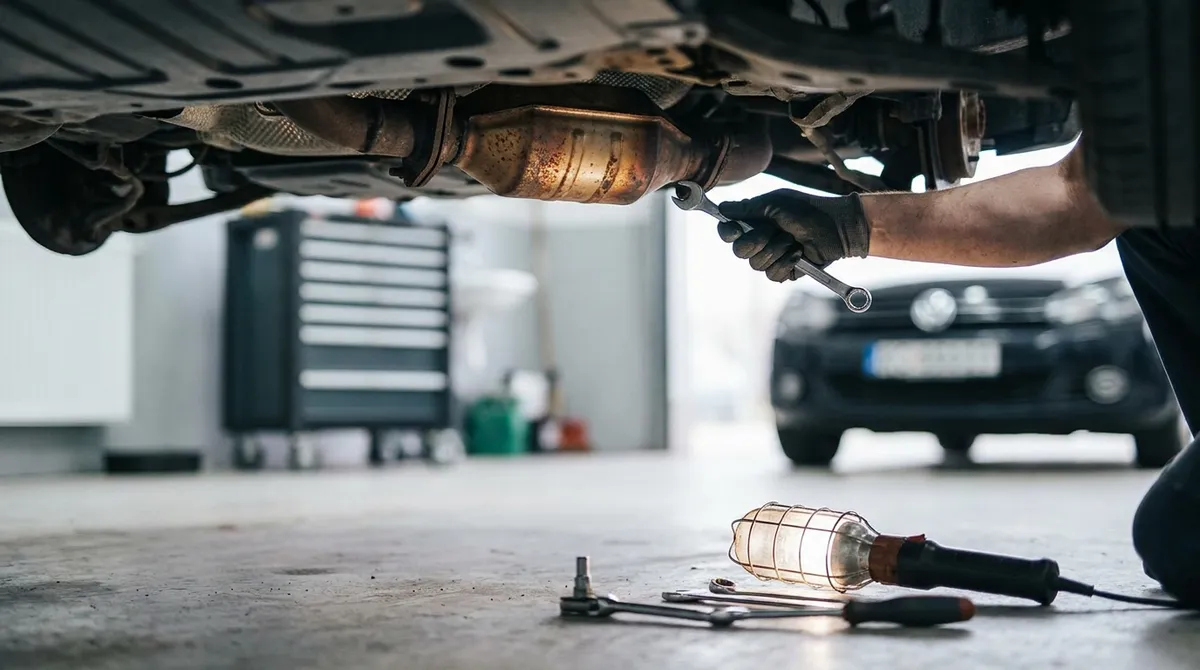
If your car suddenly smells like rotten eggs, a common culprit is your catalytic converter. That sulfur-like odor isn’t just unpleasant; it’s a clear sign something’s not right in your exhaust system, and it usually means your catalytic converter isn’t doing its job.
What’s That Smell? Sulfur and Your Exhaust
That distinctive rotten egg smell comes from hydrogen sulfide. Normally, your catalytic converter is designed to take harmful gases, including hydrogen sulfide, and convert them into less harmful ones like sulfur dioxide and water vapor before they exit your tailpipe. It’s a critical part of your car’s emissions control system.
When the catalytic converter isn’t working right, it can’t complete this chemical change. The hydrogen sulfide passes straight through, and you get a whiff of it. While a bad catalytic converter is the most common reason for this smell, sometimes poor fuel quality or an engine running too rich (too much fuel, not enough air) can also contribute. For more general help with unusual vehicle behaviors, check out our guides on common car symptoms.
Why Catalytic Converters Go Bad
Catalytic converters are tough, but they’re not invincible. Several things can cause them to fail:
- Contamination: If unburnt fuel, oil, or antifreeze gets into the exhaust system, it can coat the catalyst inside the converter, making it less effective or even clogging it. This often happens if your engine has a persistent misfire or is burning oil.
- Overheating: An engine that’s running too rich, or has severe misfires, can send excessive amounts of unburnt fuel into the exhaust. This fuel then ignites inside the catalytic converter, causing it to overheat and melt the ceramic substrate inside. A healthy ignition system is key to preventing this; issues like worn spark plugs can directly lead to misfires.
- Physical Damage: Hitting a curb or road debris can dent or crack the converter, damaging the internal structure.
- Age and Wear: While less common for causing the rotten egg smell specifically, converters do wear out over time, becoming less efficient.
What Happens When a Cat Fails (Beyond the Smell)
The rotten egg smell is just the start. A failing catalytic converter can lead to bigger problems:
- Reduced Engine Performance: If the converter’s internal structure melts or gets clogged, it restricts exhaust flow. This can make your engine feel sluggish, reduce horsepower, and even affect fuel economy. It’s like trying to breathe through a pinched straw.
- Check Engine Light: A common symptom of a failing catalytic converter is a lit Check Engine Light. You’ll often see codes like P0420 or P0430, which indicate “catalyst system efficiency below threshold.” If your Check Engine Light is on, it’s time to investigate.
- Failed Emissions Test: In areas with emissions testing, a bad catalytic converter will almost certainly cause your vehicle to fail.
What to Do When You Smell Rotten Eggs
Don’t ignore that sulfur smell. It’s your car trying to tell you something important.
- Check for a Check Engine Light: If the light is on, get the codes read. This will give you a good starting point for diagnosis. Many auto parts stores will read codes for free.
- Consider Fuel Quality: If there’s no Check Engine Light, try filling up at a different, reputable gas station. Sometimes, fuel with high sulfur content can cause a temporary smell, especially in older cars.
- Get it Diagnosed Properly: A rotten egg smell, especially with a Check Engine Light, almost always means your catalytic converter needs attention. However, it’s crucial to diagnose why it failed. Just replacing the converter without fixing the underlying issue (like misfires or an engine running rich) means the new converter will likely fail too. A qualified mechanic can pinpoint the root cause. You can also use a tool like the MECH AI Mechanic to help understand potential causes based on your specific car and symptoms.
A new catalytic converter can be an expensive part, so getting an accurate diagnosis is key to avoiding unnecessary repairs.