P0133 Code: What a Slow O2 Sensor Means
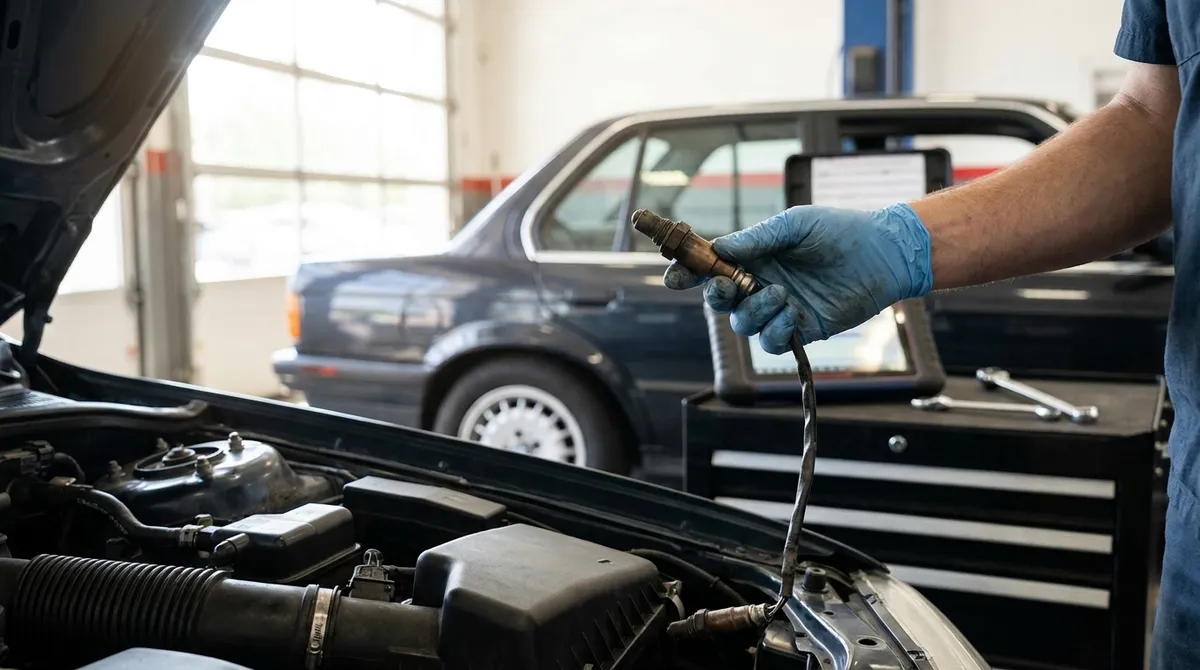
Your check engine light comes on, and a quick scan pulls up a P0133 code. This code tells you that the O2 sensor in Bank 1, Sensor 1, is responding slower than it should. In plain terms, that sensor isn’t doing its job fast enough to give the engine computer a clear picture of the exhaust gases.
What P0133 Means for Your Ride
The P0133 code specifically points to the upstream oxygen sensor on Bank 1. “Upstream” means it’s located before the catalytic converter, and “Bank 1” is the side of the engine that contains cylinder #1. This sensor’s job is to measure the amount of oxygen in the exhaust stream, which tells the engine’s computer if the air-fuel mix is running rich (too much fuel) or lean (too much air).
A “slow response” means the sensor isn’t switching its voltage readings quickly enough between high (rich) and low (lean) as the engine adjusts. Think of it like a slow-witted accountant: they’re getting the numbers, but they’re always a step behind, so the engine’s computer can’t make timely adjustments to fuel delivery. This usually leads to the engine running less efficiently, burning more fuel, and putting out more emissions. You might notice your gas mileage dropping, the engine feeling sluggish, or even a rough idle. For a deeper dive into this specific code, including common fixes and costs by vehicle, check out our guide on the P0133 code.
Common Causes for a Lazy Sensor
While a bad O2 sensor is often the first suspect, several other issues can make that sensor look like it’s dragging its feet. It’s like blaming the messenger when the message itself is unclear.
Here are the usual culprits:
- Faulty Oxygen Sensor: Over time, O2 sensors simply wear out. They’re exposed to extreme heat and exhaust gases, which eventually degrade their ability to react quickly. This is the most common reason for a P0133.
- Exhaust Leaks: A leak in the exhaust system before the upstream O2 sensor can allow outside air to get sucked in. This extra oxygen throws off the sensor’s reading, making it appear slow or inaccurate to the computer.
- Wiring Issues: Damaged, corroded, or shorted wiring to the O2 sensor can prevent it from sending a clear signal to the engine computer. Check the harness for any signs of fraying or melted insulation.
- Contamination: The sensor can get coated or poisoned by various substances, which slows its reaction time. This includes:
- Antifreeze: A leaking head gasket or intake manifold gasket can let coolant burn and contaminate the sensor.
- Oil: Excessive oil burning can leave deposits.
- Silicone: If someone used too much silicone sealant (RTV) near the sensor or on exhaust components, the fumes can coat the sensor.
- Fuel System Problems: Issues that cause the engine to run consistently too rich or too lean can also make the O2 sensor appear slow, as it might stay at one end of its voltage range for too long. This could be due to a leaky fuel injector, a weak fuel pump, or a clogged fuel filter.
- Mass Airflow (MAF) Sensor or Vacuum Leaks: If the MAF sensor is faulty, it might be misreading the amount of air entering the engine. Similarly, a significant vacuum leak can introduce unmetered air. Both scenarios mess with the air-fuel ratio, causing the O2 sensor to react incorrectly or slowly. If your car is also showing other symptoms like a rough idle with no check engine light, these issues might be connected.
How to Check Things Out
Tackling a P0133 requires a bit of detective work. You’ll need more than just a code reader to figure out the real problem.
- Visual Inspection: Start simple. Look at the O2 sensor itself and its wiring harness. Are there any obvious signs of damage, melting, or corrosion? Check the exhaust system upstream of the sensor for any soot marks or holes that might indicate a leak.
- Live Data with a Scan Tool: This is where you get to see what the sensor is actually doing. Connect a decent scan tool and look at the live data for Bank 1 Sensor 1. Watch its voltage readings. A healthy sensor should rapidly switch between about 0.1 volts (lean) and 0.9 volts (rich). A slow sensor will show sluggish transitions or might even stick at one voltage for too long. Compare its behavior to Bank 2 Sensor 1 (if your engine has two banks) to see if there’s a clear difference. Also, check your short-term and long-term fuel trims; they can tell you if the engine is trying to compensate for an incorrect reading. The MECH AI app can help you interpret these live data streams for your specific vehicle.
- Check the Heater Circuit: O2 sensors need to be hot (around 600 degrees F) to work properly. Most sensors have a built-in heater. If the heater circuit is faulty, the sensor won’t get up to temperature fast enough, leading to a slow response, especially on cold starts. You can often check the heater circuit resistance with a multimeter.
- Smoke Test for Leaks: If you suspect an exhaust leak or a vacuum leak, a smoke machine is your best friend. It fills the system with smoke, making any leaks visible. This can quickly confirm or rule out external air getting into the system.
What it typically costs
The most common cause of P0133 — aged or contaminated bank 1 upstream o2 sensor — typically runs $150–$450 in parts and labor at an independent U.S. shop. Across every cause we track for this code the range is $100–$600, because a P0133 can be anything from a cheap sensor to a major component.
These are editorial estimates, not quotes: what you actually pay moves with your region, the shop’s hourly rate, which engine you have, and how much diagnostic time the job takes. Dealer service departments typically sit above these ranges. See the P0133 guide for the full ranked breakdown and per-vehicle details.
Don’t Let It Linger
A P0133 code isn’t just a nuisance; it means your engine isn’t running as efficiently as it should. Ignoring it can lead to worse fuel economy, increased emissions, and potentially damage your catalytic converter over time, which is a much more expensive repair. If you’ve gone through the basic checks and are still scratching your head, or if you don’t have the right tools, it’s wise to take it to a trusted shop. Sometimes, paying a diagnostic fee makes sense to get to the bottom of a tricky issue. Keeping an eye on any new symptoms your car develops can also help narrow down the problem.