P0446 Code: EVAP Vent Valve Stuck Closed – What It Means
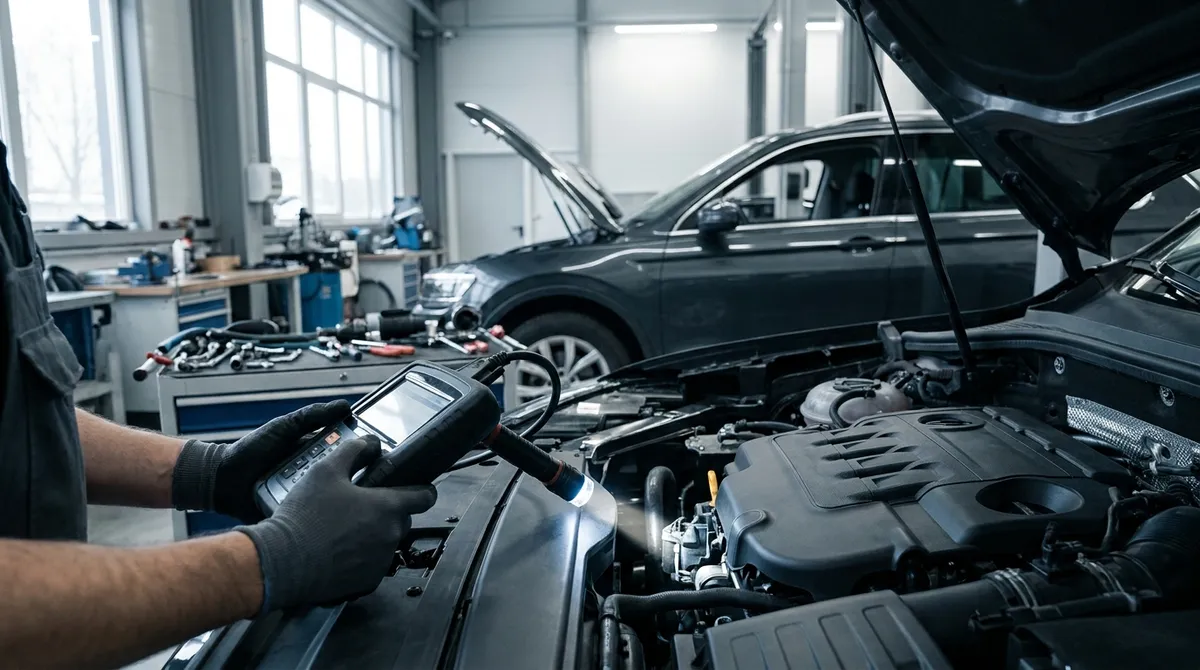
When your Check Engine Light comes on and you pull a P0446 code, it’s telling you there’s a problem with your Evaporative Emission Control (EVAP) system. Specifically, it points to the vent valve being stuck closed. This system is crucial for keeping fuel vapors out of the air, and a fault here isn’t just bad for the environment; it can sometimes cause other issues with your ride.
What P0446 Means for Your EVAP System
The EVAP system is like a closed loop that captures fuel vapors from your gas tank and stores them in a charcoal canister. When the engine is running under certain conditions, these vapors are purged into the engine to be burned off. The vent valve’s job is to let fresh air into the system when the purge valve opens, or to seal the system off when the engine’s computer (PCM) runs a leak test. If the vent valve is stuck closed, the system can’t vent properly. This often means the PCM can’t pull a vacuum or complete its tests, triggering the Check Engine Light. You might also notice difficulty filling your gas tank, as air can’t escape the tank fast enough. For a detailed breakdown of this code and common fixes by vehicle, check out our guide on P0446 code deep-dive.
Common Reasons the Vent Valve Gets Stuck
A vent valve that won’t open can be caused by a few things. It’s usually not a complex problem, but finding the exact cause takes a bit of methodical checking.
- The Vent Valve Itself: This is the most common culprit. Over time, these valves can fail mechanically, or get clogged with dirt, dust, or even spiderwebs. They’re often located near the charcoal canister, usually under the vehicle, making them exposed to road grime.
- Blocked Vent Hose or Filter: The vent valve has a hose that connects to an air filter, which is supposed to keep debris out. If this filter gets completely saturated with dirt or the hose itself gets crimped or blocked, the valve can’t do its job, even if it’s working fine internally.
- Wiring Issues: The vent valve is an electrical component. A corroded connector, a broken wire, or a poor ground can prevent it from opening or closing when the PCM commands it to. This is less common than a faulty valve but always worth checking, especially if the vehicle has seen a lot of salty roads.
- PCM Fault: While rare, a problem with the engine’s computer itself could cause it to incorrectly read the vent valve’s status or fail to send the proper signal. This is usually a last resort diagnosis after everything else has been ruled out.
How to Check the EVAP Vent Valve
Before you start throwing parts at the problem, there are a few things you can check yourself. First, locate the vent valve. It’s typically mounted on or near the charcoal canister, often under the rear of the vehicle, near the fuel tank.
- Visual Inspection: Look for any obvious damage to the valve, its wiring harness, and the hoses connected to it. Check for cracks, loose connections, or signs of rodent damage to the wires. Make sure the vent hose isn’t kinked or blocked by debris.
- Test the Valve: With the engine off, disconnect the electrical connector from the vent valve. You can often test the valve by applying 12 volts and ground directly to its terminals (check your vehicle’s service manual for the correct terminals and procedure). When power is applied, you should hear a click as the valve opens. If it doesn’t click, or if you can’t blow air through it when open and not when closed, it’s likely faulty.
- Check the Vent Filter: The vent filter is usually a small, round or rectangular filter attached to the end of the vent hose. If it’s caked with dirt, try cleaning it or replacing it. A clogged filter can mimic a stuck valve.
- Clear the Code: After checking or replacing components, clear the P0446 code using an OBD-II scanner. Then drive the vehicle to allow the EVAP system to run its self-tests. If the light stays off, you likely fixed the issue. If you’re looking for more general diagnostic help, our AI Mechanic can walk you through steps for your specific vehicle.
What it typically costs
The most common cause of P0446 — failed evap vent valve / vent solenoid (mechanical sticking) — typically runs $80–$350 in parts and labor at an independent U.S. shop. Across every cause we track for this code the range is $20–$1,500, because a P0446 can be anything from a cheap sensor to a major component.
These are editorial estimates, not quotes: what you actually pay moves with your region, the shop’s hourly rate, which engine you have, and how much diagnostic time the job takes. Dealer service departments typically sit above these ranges. See the P0446 guide for the full ranked breakdown and per-vehicle details.
When to Call in the Pros
Sometimes, diagnosing EVAP issues can be tricky, especially if the problem isn’t obvious or if you don’t have the right tools to test components properly. If you’ve done the basic checks and the code keeps coming back, or if you’re uncomfortable working under your car, it’s time to take it to a trusted shop. They have specialized smoke machines to find EVAP leaks and advanced diagnostic tools that can pinpoint electrical issues the average DIYer might miss. Remember, sometimes paying for a shop’s diagnostic time can save you money in the long run by preventing you from replacing parts you didn’t need. Our fix database can also give you an idea of common repair costs for this code on various vehicles.
A P0446 code is a common EVAP system fault, but it’s usually straightforward to diagnose and fix. By understanding what the code means and following a few logical steps, you can often pinpoint the problem yourself. If it gets too complicated, don’t hesitate to get a professional involved. Keeping your EVAP system in good shape helps your car run cleaner and prevents other issues down the road.