Car Shudders When Accelerating: What to Check
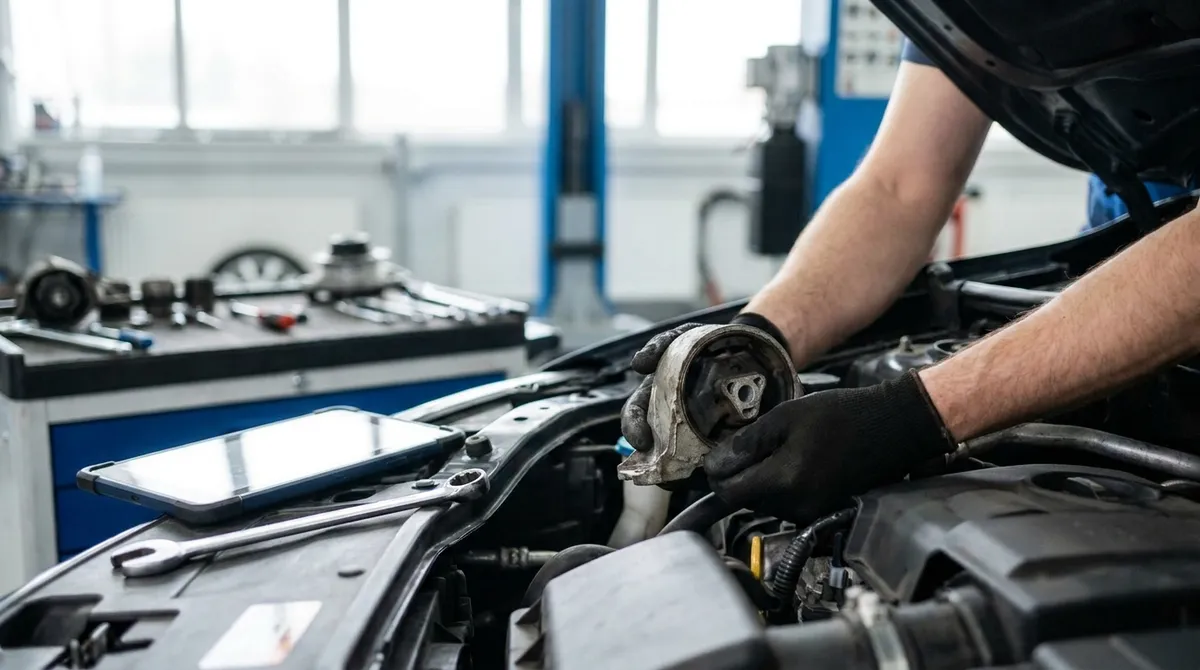
That feeling of your car shuddering or shaking when you press the accelerator isn’t just annoying; it’s a clear signal that something isn’t right under the hood. It can feel like a hesitation, a vibration, or a loss of power, and it often gets worse the harder you push the pedal. Pinpointing the exact cause takes a little detective work, but knowing where to start looking can save you time and trouble.
Engine Misfires and Fuel Delivery
One of the most common reasons a car shudders under acceleration is an engine misfire. This happens when one or more cylinders don’t fire correctly, leading to uneven power delivery.
Here’s what to check:
- Spark Plugs: Worn-out or fouled spark plugs are a prime suspect. If they’re not creating a strong spark, the fuel-air mixture won’t ignite properly. Check them for wear, cracks, or deposits.
- Coil Packs/Ignition Coils: These deliver high voltage to the spark plugs. A failing coil pack can cause intermittent misfires, especially under load. If you have a flashing Check Engine Light, that’s a strong indicator of a misfire. For more on keeping your ignition system healthy, check out our guide on spark plugs, gap, torque, and avoiding coil pack trouble.
- Fuel Injectors: A clogged or faulty fuel injector can prevent a cylinder from getting enough fuel, leading to a lean misfire.
- Air Filter: A severely clogged air filter can restrict airflow to the engine, causing it to struggle for air and potentially leading to a shudder. It’s a simple, cheap fix if it’s the culprit.
- Mass Airflow Sensor (MAF): If this sensor is dirty or failing, it can send incorrect air-volume data to the engine’s computer, messing with the fuel-air mixture and causing hesitation or shuddering.
Transmission Troubles
The transmission is another major player when it comes to shudders during acceleration. If the problem only happens when the car is shifting gears or at certain speeds, it’s a good bet the transmission is involved.
Common transmission-related causes:
- Torque Converter Issues: The torque converter acts like a fluid coupling between the engine and transmission. If it’s failing or its lock-up clutch isn’t engaging or disengaging smoothly, it can cause a distinct shudder, often felt around 30-50 mph.
- Low or Dirty Transmission Fluid: Just like engine oil, transmission fluid needs to be at the right level and clean. Low fluid can cause slipping and shuddering, while old, dirty fluid loses its lubricating properties and can lead to internal transmission problems. Check the fluid level and color (it should be reddish, not dark brown or black).
- Internal Transmission Problems: Worn clutch packs, solenoids, or other internal components can cause rough shifts or shuddering. If you’re getting a P0700 code, that’s the generic transmission control system malfunction code, and it means the transmission computer has detected a problem. You can learn more about what a P0700 code means for your transmission.
Drivetrain Components
Beyond the engine and transmission, other parts that transfer power to the wheels can cause vibrations or shudders. These are often more noticeable as the vehicle speeds up.
What to inspect:
- CV Joints (Constant Velocity Joints): Found on front-wheel-drive cars and some all-wheel-drive vehicles, these joints allow the wheels to turn and move up and down while still receiving power. If the rubber boot protecting a CV joint tears, dirt and moisture get in, leading to wear and eventual failure. A bad CV joint often causes a clicking noise when turning, but it can also cause a shudder or vibration under acceleration.
- U-Joints (Universal Joints): Common on rear-wheel-drive vehicles, U-joints connect sections of the driveshaft. Worn U-joints can cause a vibration that gets worse with acceleration.
- Driveshaft Imbalance/Damage: If the driveshaft itself is bent, unbalanced, or has worn support bearings, it can cause significant vibration throughout the vehicle, especially at higher speeds.
- Motor Mounts/Transmission Mounts: These rubber-and-metal mounts cushion the engine and transmission, absorbing vibrations and keeping them properly aligned. If a mount is broken or worn out, the engine or transmission can shift excessively under acceleration, leading to a clunk or shudder.
Other Fuel System Issues
While misfires cover some fuel delivery problems, other parts of the fuel system can also cause your car to feel sluggish or shudder when you press the gas.
- Clogged Fuel Filter: A dirty fuel filter restricts the flow of fuel to the engine. If the engine isn’t getting enough fuel, it can hesitate, lose power, and shudder, especially when you demand more power. This is a common cause for why your car feels sluggish and loses power.
- Weak Fuel Pump: The fuel pump is responsible for sending fuel from the tank to the engine at the correct pressure. If the pump is weak or failing, it won’t be able to keep up with demand during acceleration, leading to a shudder or a feeling of fuel starvation.
Diagnosing a shudder can be tricky because so many systems are involved. Start with the simplest checks, like fluid levels and visible damage. If you’re not seeing anything obvious or if the problem persists, it’s time for a more in-depth look. Tools like the MECH AI app can help you narrow down the possibilities for your specific vehicle and guide you through diagnostic steps, or tell you when it’s time to take it to a trusted shop.