Car Shaking or Vibrating? How to Figure Out Why
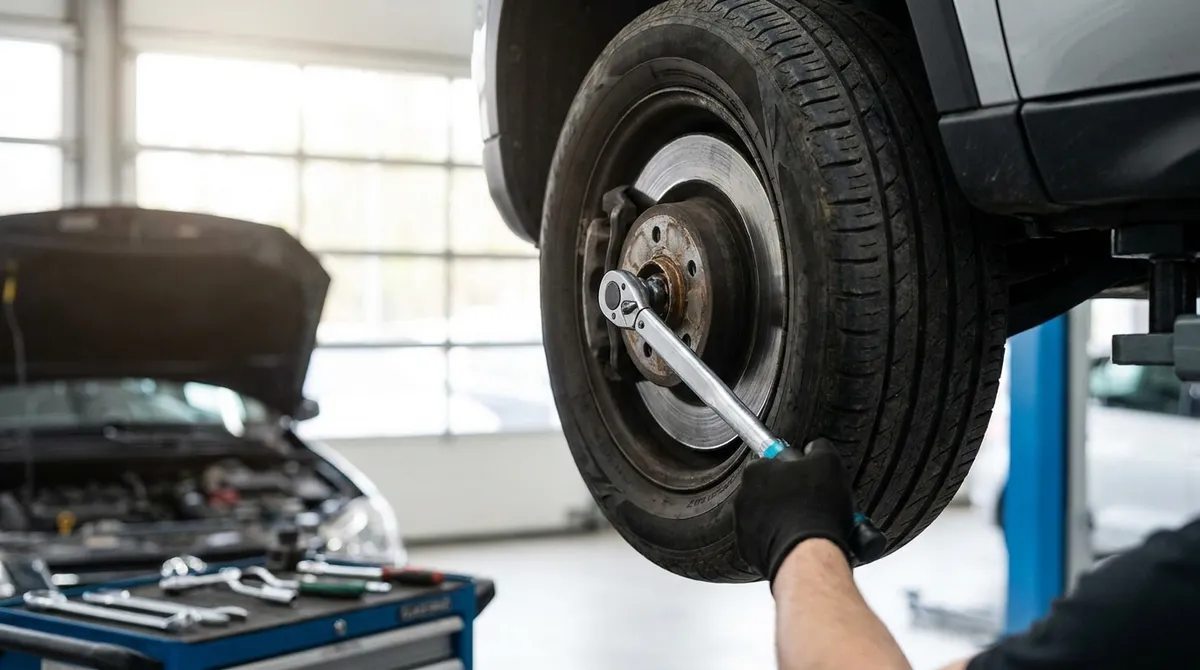
A car that shakes or vibrates while you’re driving is more than just annoying; it’s usually a sign something isn’t right. The good news is, how and when it shakes can tell you a lot about what’s going on. Paying attention to these details can save you time and money when it comes to figuring out the fix.
Shakes at Speed (Usually 40 MPH and Up)
If your car starts to shake once you hit highway speeds, or gets worse the faster you go, the problem is often related to the wheels, tires, or other rotating parts.
Things to check if your car shakes at speed:
- Tire Balance: This is the most common culprit. If a tire isn’t balanced right, it’ll make the steering wheel, floor, or even the whole car shake. It often starts around 40-50 MPH and can smooth out or get worse at higher speeds.
- Bent Rim: Hitting a pothole hard can bend a wheel rim. Even a slight bend can cause a noticeable vibration, similar to an unbalanced tire.
- Worn or Damaged Tires: A tire with a bulge, a separated belt, or uneven wear can cause a shake. Look at your tires closely for any obvious damage or strange patterns.
- Loose Lug Nuts: While less common, loose lug nuts can cause a wheel to wobble, leading to a vibration. Always check these after a tire rotation or repair.
- Worn Wheel Bearings: If a wheel bearing is going bad, it can cause a hum or growl that gets louder with speed, often accompanied by a vibration. The shake might be more noticeable when turning.
- Driveshaft or CV Axle Issues: For rear-wheel drive vehicles, a bent or unbalanced driveshaft can cause a vibration. For front-wheel drive (or all-wheel drive), worn Constant Velocity (CV) joints in the axles can cause a shake, especially during acceleration or turning.
If you’re noticing a shake, it’s a good idea to start by checking the basics. For more general guidance on understanding what your car is trying to tell you, check out our symptom guides hub.
Shakes When Braking
This one is usually pretty straightforward. If the car only shakes when you press the brake pedal, the problem is almost certainly in your brake system.
Common causes for shaking during braking:
- Warped Brake Rotors: This is the most frequent reason. Rotors are the metal discs your brake pads clamp onto. If they get too hot, they can warp slightly, creating an uneven surface. When the pads grab a warped rotor, you’ll feel a pulsation or shake through the brake pedal and sometimes the steering wheel.
- Worn Brake Pads: While less common to cause a shake directly, extremely worn pads can sometimes contribute to rotor warping or cause other issues that lead to vibration.
- Sticky Brake Caliper: If a brake caliper isn’t releasing properly, it can cause one brake to drag, leading to excessive heat and rotor warping on that wheel. You might also notice a burning smell or the car pulling to one side.
Don’t ignore brake shakes. It’s a safety issue. If you’re wondering if you can tackle a brake job yourself, we’ve got some practical advice on when to DIY and when to call the shop for brake pads.
Shakes at Idle or Low Speed
If the car shakes when it’s just sitting there, or only at very low speeds, the problem is usually with the engine or its mounts. This kind of shake often feels like a rough idle.
Things to look for if your car shakes at idle or low speed:
- Engine Misfire: When one or more cylinders aren’t firing correctly, the engine won’t run smoothly. This can be caused by bad spark plugs, faulty ignition coils, clogged fuel injectors, or even a vacuum leak. You might also notice a “Check Engine” light flashing or staying on.
- Worn Motor Mounts: Motor mounts cushion the engine and transmission, keeping vibrations from reaching the cabin. If they wear out, the engine’s normal vibrations will be felt much more strongly. You might notice a clunk when shifting gears or accelerating hard.
- Vacuum Leaks: An uncontrolled air leak into the engine’s intake system can throw off the air-fuel mixture, leading to a rough idle and shaking.
- Fuel System Issues: A clogged fuel filter or a weak fuel pump can cause the engine to starve for fuel, leading to misfires and a shaky idle.
Shakes Only When Accelerating
If the car feels fine until you step on the gas, and then starts to shake, it points to components that are under load during acceleration.
Possible causes for shaking during acceleration:
- Worn CV Axles (Front-Wheel Drive): Especially if the shake is worse when turning while accelerating. The CV joints can wear out, causing a vibration as they try to transfer power. You might hear a clicking noise too.
- Transmission Problems: Issues within the transmission, like a failing torque converter or worn internal components, can cause a shudder or shake during acceleration, especially when shifting gears.
- Engine Misfire Under Load: Sometimes an engine misfire isn’t obvious at idle but becomes very noticeable when the engine is working harder during acceleration. This could be a weak spark plug or coil that can’t keep up.
A shaking car isn’t something to ignore. Pay close attention to when it happens, how it feels, and what you’re doing when it starts. These details are crucial for diagnosing the issue. If you’re not sure where to start, getting a professional opinion is always a good idea. Or, if you want to dig deeper into potential causes and fixes for your specific vehicle, the MECH AI app can help you sort through the symptoms.