Car Pulls When Braking: What's Going On?
Few things are as unsettling as pressing the brake pedal and feeling your car try to make an unscheduled turn. A vehicle that pulls to one side during braking isn’t just a nuisance; it’s a clear sign something’s off in your braking, steering, or suspension system. Ignoring it can lead to bigger problems down the road, or worse, an accident.
Brake System Troubles: The Usual Suspects
When your car pulls under braking, the first place to look is almost always the brake system itself. Brakes work by creating friction evenly on all wheels. If one side isn’t doing its job right, or is doing too much, the car will steer itself.
Here are the most common culprits:
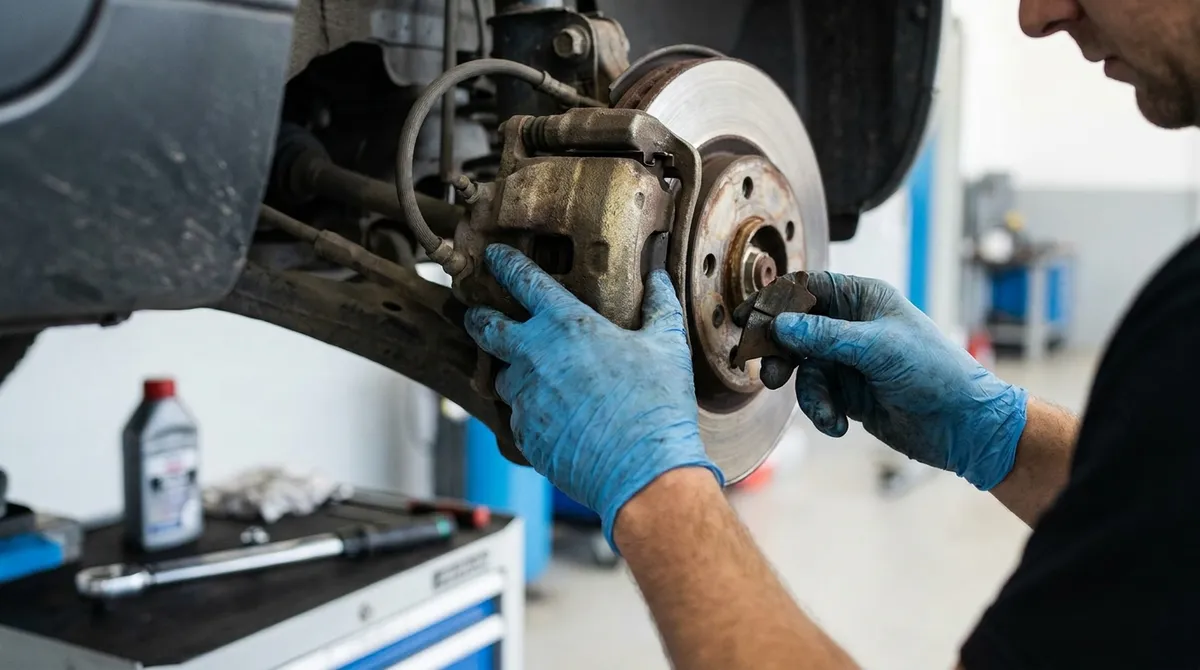
- Stuck Caliper: This is probably the number one reason. A brake caliper’s job is to squeeze the pads against the rotor. If the piston in a caliper gets stuck, it might not release fully, causing that wheel’s brake to drag. Or, it might not apply enough pressure, meaning the other side is doing all the work. Either way, you get a pull. You might also notice a burning smell or excessive heat from the affected wheel.
- Worn or Contaminated Brake Pads: Pads wear down over time, but if one side wears significantly faster than the other, or if a pad gets contaminated with oil or grease, it won’t grip the rotor properly. This uneven braking force will cause a pull.
- Damaged Brake Rotor: Rotors can warp (become uneven) from overheating, or they can develop hard spots. A warped rotor can cause a pulsation in the pedal and an inconsistent braking force, leading to a pull.
- Brake Fluid Issues: Air in the brake line, a collapsed flexible brake hose, or contaminated brake fluid can prevent proper hydraulic pressure from reaching one of the calipers. This often results in a “soft” pedal feel or reduced braking power on the affected wheel. If you’re noticing other strange behaviors, our general guide to symptoms can help you sort through them.
Tire and Wheel Alignment
Sometimes, the brakes are fine, but the problem lies with the parts that meet the road. Tires and wheels play a crucial role in how your car handles, especially under braking.
Things to check:
- Uneven Tire Pressure: This is a simple one, but often overlooked. If one tire has significantly less air than the others, it will have a larger contact patch and more rolling resistance. When you brake, this uneven resistance can cause a pull. Always check your tire pressure regularly.
- Worn or Mismatched Tires: Deeply worn tires, especially if wear is uneven across the tread, won’t provide consistent grip. Mixing different tire types or tread patterns on the same axle can also lead to unpredictable handling and pulling during braking.
- Wheel Alignment: If your car’s alignment is off, it might already tend to drift while driving straight. When you add braking forces, this existing misalignment can be exaggerated, causing a more pronounced pull.
- Loose Lug Nuts: While less common, loose lug nuts can cause a wheel to wobble, which can translate into a pull or vibration during braking. This is a serious safety concern and should be checked immediately. If you’re looking for more general repair information, our fix database is a good place to start.
Suspension and Steering Components
Your car’s suspension and steering systems are designed to keep the wheels pointed where they should be and absorb road bumps. If components in these systems are worn or damaged, they can allow excessive movement, leading to a pull when braking.
Look out for:
- Worn Ball Joints or Control Arm Bushings: These components connect parts of your suspension. If they’re worn out, they can allow too much play in the wheel assembly, causing the wheel to shift slightly under braking force and pull the car.
- Damaged Tie Rod Ends: Tie rods are part of your steering system. Worn tie rod ends can introduce play, affecting steering precision and potentially causing a pull when braking.
- Bad Shocks or Struts: While not a direct cause of pulling during braking, extremely worn shocks or struts can contribute to instability, especially if one side is significantly weaker than the other. This can make a braking pull feel worse.
- Steering Rack Issues: Less common, but internal issues with the power steering rack or box could potentially cause uneven steering response under load, though this often presents as a general steering problem rather than just a braking pull. If you’re trying to figure out what’s wrong with your specific vehicle, the MECH AI app can help you narrow down the possibilities.
What to Do Next
A car pulling to one side when braking is a safety issue that needs attention. Start with the easiest checks: tire pressure and a visual inspection of your brake fluid level. If you’re comfortable and have the right tools, you can inspect your brake pads and rotors for obvious wear or damage.
However, diagnosing brake, suspension, or steering issues often requires specific tools and expertise. If you’re not sure what you’re looking at, or if the problem persists after simple checks, it’s always best to take it to a qualified mechanic. Sometimes, a shop’s diagnostic fee can save you a lot of headache and keep you safe on the road.