Why Your Car Battery Keeps Dying: Common Causes Ranked
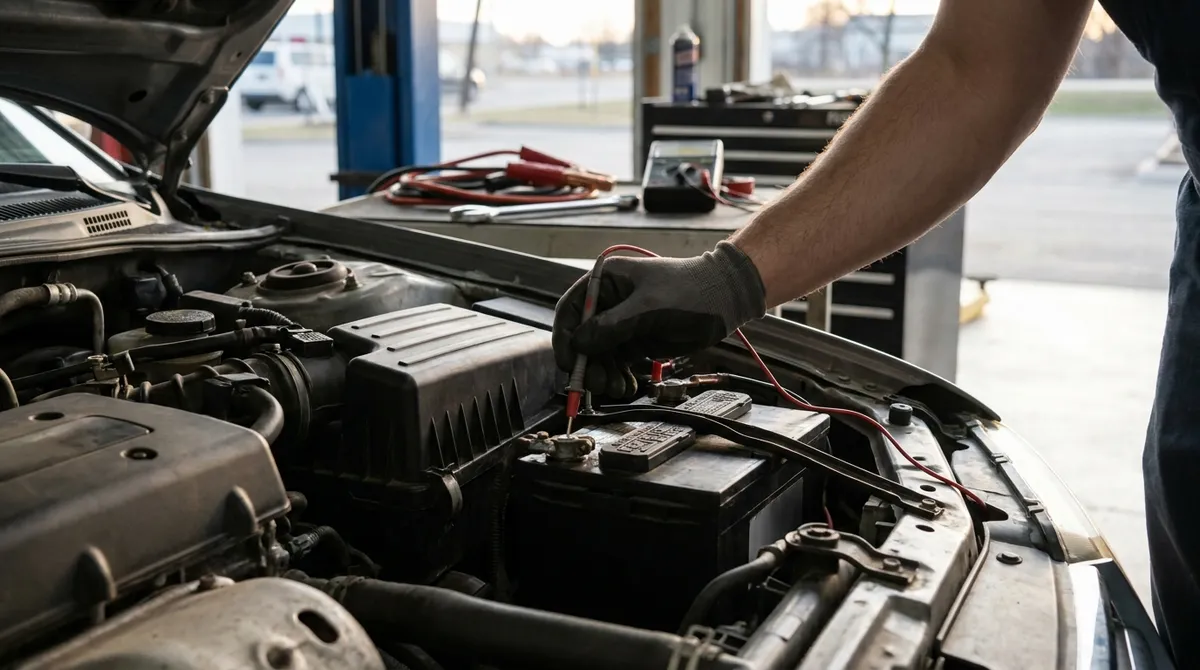
There’s not much worse than turning the key or pushing the button and getting nothing but a click, or worse, silence. A dead car battery is a universal frustration. It’s usually not a mystery, though. Most of the time, the reasons your battery keeps quitting are pretty common and straightforward to track down. Let’s look at the usual suspects, starting with the most frequent offender.
1. The Battery Itself is Just Old
This is the big one. Car batteries don’t last forever. Most are good for 3-5 years, maybe a bit more if you live somewhere mild and treat it right. Heat, cold, vibrations, and constant charging/discharging cycles take their toll. Over time, the internal chemistry breaks down, and the battery can’t hold a charge like it used to.
What to check:
- Age: Look for a sticker or code on the battery case. If it’s over 4-5 years old, it’s a prime suspect.
- Visual Inspection: Look for swelling, cracks, or excessive corrosion on the terminals.
- Test it: Any auto parts store can do a free battery load test. This tells you if the battery has enough cranking amps to start your car and hold a charge. If it fails, replacement is the fix.
2. Your Charging System Isn’t Doing Its Job
Your car’s electrical system relies on the alternator to recharge the battery while the engine is running and power all the electrical components. If the alternator isn’t working right, the battery will slowly drain until it can’t start the car anymore. You might notice a battery warning light on your dash, dimming lights, or accessories acting strange before it dies completely. Sometimes, a bad alternator can even give off a burning smell. If you’re smelling something odd, you might want to check out our guide on what’s that burning smell?.
What to check:
- Battery Light: If it’s on, that’s a pretty clear sign the charging system has a problem.
- Voltage Test: With the car running, use a multimeter to check the voltage across the battery terminals. It should be around 13.5-14.5 volts. If it’s lower, the alternator might be weak or failing.
- Belt Check: Make sure the serpentine belt (which drives the alternator) isn’t loose, worn, or broken.
3. Something is Draining Power (Parasitic Draw)
This is when something in your car continues to draw power even after the engine is off and everything should be shut down. It’s like leaving a light on in your house. Modern cars have a lot of electronics, and sometimes one of them doesn’t “go to sleep” properly. This can be tough to track down. Common culprits include:
- Dome lights or trunk lights: Left on by accident, or a faulty switch.
- Aftermarket accessories: Stereos, alarms, remote starters, or dash cams that weren’t installed correctly.
- Faulty relays: A relay can stick in the “on” position, keeping a circuit live.
- Short circuits: A damaged wire can create an unintended path for electricity to flow.
What to check:
- Visual Scan: After parking, double-check all interior and exterior lights. Make sure the glove box and trunk lights turn off when closed.
- Amperage Test: This is more involved and usually requires a multimeter and some know-how. You disconnect the negative battery cable and put the multimeter in series to measure the current draw with the car off. A normal draw is usually under 50 milliamps (0.05 amps). If it’s higher, you then start pulling fuses one by one to isolate the circuit causing the draw. For more general diagnostic tips, our symptom guides hub can help point you in the right direction.
4. Loose or Corroded Battery Connections
Sometimes the problem isn’t the battery or the charging system, but simply the connection between them. Loose or corroded battery terminals prevent a good electrical flow, meaning the battery might not get a full charge, or it can’t deliver enough power to start the car.
What to check:
- Wiggle Test: Gently try to wiggle the battery cables at the terminals. If they move, they’re too loose.
- Corrosion: Look for white, green, or blue powdery buildup around the terminals. This acts as an insulator, blocking current.
- Clean and Tighten: Disconnect the battery (negative first, then positive), clean the terminals and cable clamps with a wire brush and battery terminal cleaner, then reconnect (positive first, then negative) and tighten securely. A thin coat of dielectric grease can help prevent future corrosion.
5. Not Driving Enough (Or Only Short Trips)
Your car’s charging system needs time to replenish the battery, especially after starting the engine. If you only drive short distances (under 20 minutes) or let your car sit for extended periods, the alternator might not have enough time to fully recharge the battery. Over time, this can lead to a chronically undercharged battery that eventually dies.
What to check:
- Driving Habits: If you’re mostly doing short hops, consider taking a longer drive once a week or using a trickle charger if the car sits for weeks at a time.
- Battery Maintainer: For cars stored for long periods, a battery maintainer (not just a charger) can keep the battery topped off without overcharging it.
A dead battery is a pain, but understanding these common causes can help you figure out what’s going on under the hood. Start with the easy stuff like age and connections, then move on to testing the charging system or looking for parasitic draws. If you’re stuck, or if you want to get specific about your vehicle’s make and model, the MECH AI mechanic can walk you through the troubleshooting steps. Sometimes, a quick test is all it takes to get you back on the road.