Headlights Dimming? Alternator or Wiring?
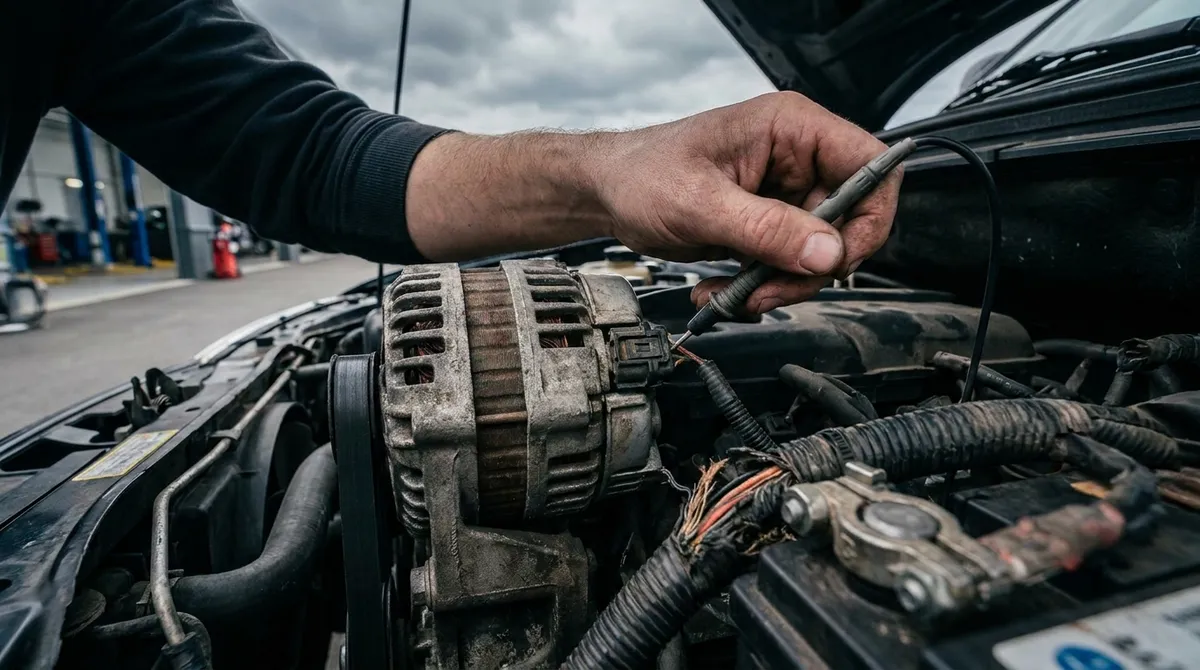
Driving down the road when your headlights start playing peek-a-boo can be unsettling. Whether they’re just a little dim or actively flickering, it’s a sign your car’s electrical system needs a look. This isn’t just annoying; it’s a safety issue. Let’s figure out what’s going on under the hood.
Check the Powerhouse: Battery and Alternator
Your car’s electrical system relies on two main components: the battery and the alternator. The battery provides the initial juice to start the car and smooths out voltage spikes. The alternator, driven by the engine, generates electricity to run everything and recharge the battery. If either of these isn’t pulling its weight, your headlights will be the first to complain.
Here’s how to do a quick check:
- Battery Terminals: Pop the hood and check the battery terminals. Are they clean and tight? Loose or corroded terminals can restrict current flow, leading to dim lights and other electrical gremlins. A wire brush and some baking soda paste can clean up corrosion.
- Voltage Test (Engine Off): With the engine off, use a multimeter to check the battery voltage. It should read around 12.6 volts. If it’s significantly lower, your battery might be on its way out or struggling to hold a charge. A dying battery can cause all sorts of issues, from dim lights to a car that won’t start. You can learn more about common causes for a dead battery in our guide on why your car battery keeps dying.
- Voltage Test (Engine Running): Start the car and check the battery voltage again. It should now read between 13.5 and 14.7 volts. If it’s much lower (say, still around 12 volts) or much higher (over 15 volts), your alternator or its voltage regulator is likely failing. A struggling alternator can’t keep up with the electrical demands, leaving your headlights starved for power.
- Listen and Look: Does the engine sound different when the lights dim? Do other accessories (radio, wipers) also act up? Is the battery warning light on your dash illuminated? These are all strong indicators of an alternator problem.
The Sneaky Culprit: Wiring Issues
If your battery and alternator seem fine, the problem might be in the wiring itself. Electrical wiring issues can be trickier to pinpoint because they’re often hidden, intermittent, or specific to certain circuits.
Common wiring problems include:
- Loose Ground Wires: A car’s electrical system relies on good ground connections. If a ground wire is loose, corroded, or broken, it can cause resistance, leading to dim or flickering lights. Check the main ground strap from the battery to the chassis and engine, as well as any ground points near the headlights themselves.
- Corroded or Damaged Wires: Over time, wires can corrode, especially in areas exposed to moisture or road salt. Rodents also love to chew on wiring, creating open circuits or shorts. Look for frayed insulation, green powdery corrosion, or wires that look like they’ve been gnawed on. A burning smell, especially like melting plastic, is a serious sign of an electrical short and needs immediate attention. If you ever notice a burning smell in your car, don’t ignore it.
- Bad Connections at the Headlight Socket: The plug connecting to the headlight bulb can sometimes get corroded or loose. Pull the bulb out and inspect the socket for any signs of damage or poor contact.
- Fuses and Relays: While a blown fuse usually means a complete loss of power, a partially melted fuse or a faulty relay can cause intermittent power delivery, leading to flickering. Check your fuse box for any fuses that look discolored or have a broken filament.
Other Electrical Loads and Considerations
Sometimes, the dimming isn’t a fault but simply a heavy draw on the system.
- High Electrical Load: If your headlights dim noticeably only when you turn on the air conditioning, rear defroster, or a powerful aftermarket stereo, it might just be the system struggling to keep up with a heavy load. A healthy alternator should handle this, but if it’s on its way out, these extra demands will push it over the edge.
- Voltage Regulator: Often integrated into the alternator, the voltage regulator ensures a steady output. If it’s failing, the voltage can fluctuate wildly, causing your lights to flicker.
- Specific Bulb Issues: While less likely to cause all your headlights to dim, a faulty or incorrect bulb can sometimes draw too much or too little power, affecting its own performance. If only one light is acting up, start there. For a broader look at common car troubles, check out our general symptoms guide.
What to Do Next
Start with the easy stuff: check your battery terminals and perform the voltage tests. If those point to an issue, addressing the battery or alternator is usually the next step. If those check out, you’ll need to dig into the wiring, looking for loose connections, corrosion, or damage.
Electrical problems can sometimes be tricky to diagnose, requiring a good multimeter and a bit of patience. If you’re not comfortable poking around with wires, or if the problem persists after checking the basics, it’s always smart to take it to a qualified mechanic. They have specialized tools and experience to track down elusive electrical faults. For more specific guidance on your car’s make and model, the MECH AI app can help you diagnose and understand potential fixes.
Don’t let dim headlights leave you in the dark. A little troubleshooting can go a long way to keeping your ride safe and bright.