P0401 Code: Meaning, Symptoms, Causes & Fixes
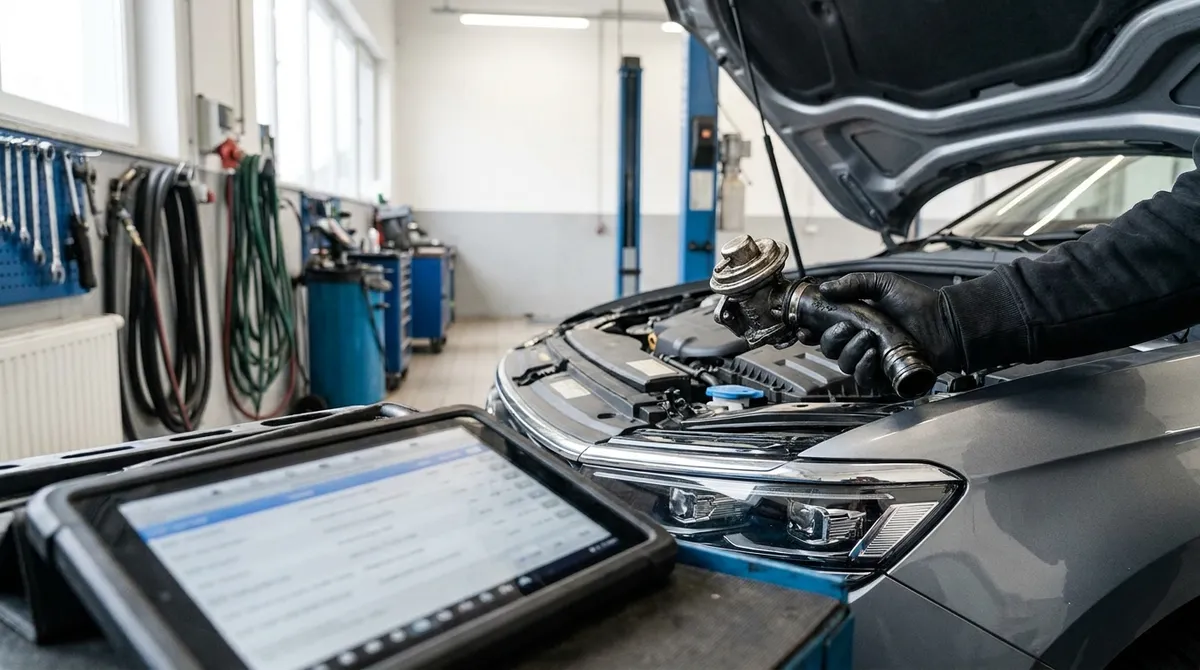
When your check engine light comes on and you pull a P0401 code, it means the powertrain control module (PCM) has detected that the Exhaust Gas Recirculation (EGR) system isn’t flowing enough exhaust gas. This isn’t a code you should ignore, as a faulty EGR can lead to bigger problems down the road.
What’s the Deal with the EGR System?
The EGR system is there to do a couple of important jobs. First, it takes a small amount of exhaust gas and sends it back into the engine’s intake. This cools down the combustion temperatures, which helps reduce nitrogen oxide (NOx) emissions – the stuff that causes smog. Second, by lowering those temperatures, it can also help prevent engine knocking or pinging. If the EGR isn’t doing its job, your engine might run hotter, burn fuel less efficiently, and put more stress on other components.
Common Causes of a P0401 Code
Most of the time, a P0401 code points to a restriction in the EGR system. Exhaust gas is dirty, and over time, carbon builds up.
Here are the usual suspects:
- Clogged EGR Valve: This is probably the most common cause. The valve itself can get gummed up with carbon, preventing it from opening or closing properly. Sometimes it sticks shut, and sometimes it just can’t move enough.
- Clogged EGR Passages: Even if the valve is good, the tubes or passages that carry the exhaust gas to and from the valve, or into the intake manifold, can get blocked with carbon. This is especially common in the intake manifold where the EGR mixes with fresh air.
- Faulty EGR Solenoid or Sensor: On some systems, an electronic solenoid controls the vacuum to the EGR valve, or a sensor monitors its position or the flow. If the solenoid isn’t opening or closing, or the sensor isn’t reporting correctly, the PCM won’t see the expected flow.
- Vacuum Issues: Many EGR systems rely on engine vacuum to operate the valve. A cracked vacuum hose, a leaky vacuum solenoid, or another vacuum leak can prevent the EGR valve from opening. You might also notice other symptoms like a rough idle or poor braking if vacuum is generally low.
- Bad PCM: While rare, a faulty PCM could misinterpret signals or fail to command the EGR system correctly. Don’t jump to this conclusion first, though; check everything else.
How to Track Down the Problem
Diagnosing a P0401 code usually involves a bit of hands-on work. You’re looking for blockages or failures in the system’s components.
- Visual Inspection: Start simple. Look for cracked or disconnected vacuum lines around the EGR valve and solenoid. Check electrical connectors for corrosion or damage.
- Test the EGR Valve:
- Manual Operation: On some older vacuum-operated valves, you can manually apply vacuum (with a hand pump) to the valve at idle. If the engine stumbles or stalls, the valve and passages are likely clear. If nothing happens, the valve or passages are blocked.
- Electronic Valves: For electronic EGR valves, you might need a scan tool that can command the valve open. Again, listen for an engine stumble or stall.
- Check for Clogged Passages: If the valve seems to work but the engine doesn’t stumble, the passages are probably blocked. This often means removing the EGR valve and using a wire brush, carb cleaner, or a drill bit (carefully!) to clear out carbon buildup in the manifold passages.
- Test the EGR Solenoid: If your system uses a separate solenoid, test it for proper operation. You can often check for power and ground, and then listen for a click when commanded on with a scan tool or by applying battery voltage (check your specific vehicle’s service manual for the correct procedure).
- Vacuum Check: If your EGR valve is vacuum-operated, check for good vacuum at the solenoid and at the EGR valve itself when the engine is running and the PCM should be commanding it open. A vacuum gauge is your friend here.
Don’t just replace the EGR valve without checking the passages. Many a mechanic has seen a new EGR valve quickly get a P0401 again because the real problem was downstream. If you’re unsure about testing, a good place to start is to check the MECH AI fix database for common issues specific to your make and model.
What it typically costs
The most common cause of P0401 — carbon-clogged egr passages in the intake manifold — typically runs $100–$600 in parts and labor at an independent U.S. shop. Across every cause we track for this code the range is $30–$700, because a P0401 can be anything from a cheap sensor to a major component.
These are editorial estimates, not quotes: what you actually pay moves with your region, the shop’s hourly rate, which engine you have, and how much diagnostic time the job takes. Dealer service departments typically sit above these ranges. See the P0401 guide for the full ranked breakdown and per-vehicle details.
Fixing a P0401: DIY or Take It to the Shop?
Whether you tackle a P0401 yourself or bring it to a professional depends on your comfort level and the specific cause.
- DIY Potential: Cleaning a carbon-clogged EGR valve or clearing passages can be a DIY job if you’re comfortable working on your engine, have the right tools, and can follow instructions. Replacing a vacuum hose is usually straightforward.
- When to Call a Pro: If tests show a faulty electronic EGR valve, solenoid, or sensor, replacement might be more involved. Clearing heavily carbonized passages in the intake manifold can be a tough job, sometimes requiring manifold removal. If you’re not getting clear results from your diagnostic steps, or if the problem seems more complex, it’s a good idea to take it to a trusted shop. They have specialized diagnostic tools and experience that can save you time and headaches. You can even use the AI Mechanic to get a head start on understanding what might be going on with your specific vehicle.
Ignoring a P0401 code won’t make it go away. It can lead to reduced fuel economy, engine pinging, and eventually, more expensive repairs down the line. Get it checked out, clear that code, and keep your ride running right.