Engine Overheating: What to Do Now and What to Check Later
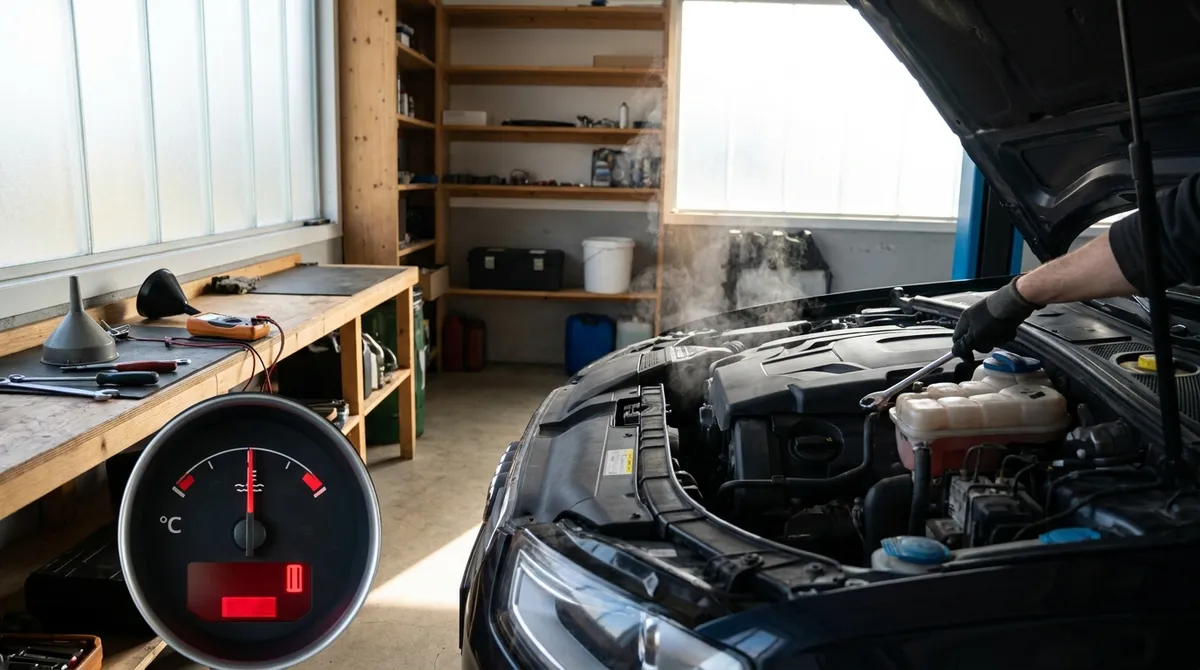
Seeing your temperature gauge climb into the red, or worse, steam pouring from under the hood, is a quick way to ruin your day. An overheating engine isn’t just an inconvenience; it can lead to serious, expensive damage if not handled fast. Your engine needs to stay at a specific operating temperature, and when it gets too hot, metal parts can warp, seals can blow, and you can end up with a seized engine.
The First 60 Seconds: Get Off the Road
When your engine starts to overheat, your priority is to prevent further damage. This means getting the load off the engine and letting it cool down as quickly as possible.
- Pull Over Safely: As soon as you notice the temperature climbing, find a safe spot to pull off the road. Don’t try to make it to your destination or the next exit if it’s far.
- Turn Off the A/C: The air conditioning system puts an extra load on your engine, making it work harder and generate more heat. Turn it off immediately.
- Turn On the Heater (Full Blast): This sounds backward, but your car’s heater core is essentially a small radiator that uses the engine’s hot coolant to warm the cabin. Turning the heat on full blast, even if it’s summer, can pull some heat away from the engine and into the passenger compartment, acting as a temporary relief valve. Open your windows if you need to.
- Shut Down the Engine: Once you’re safely pulled over and have tried the heater trick for a minute or two, turn off the engine. Let it sit for at least 20-30 minutes to cool down before you even think about opening the hood or checking anything.
What NOT to Do: Never, ever open a hot radiator cap or coolant reservoir cap. The system is under pressure, and opening it while hot will spray scalding hot coolant, causing severe burns. Wait until the engine is completely cool. If you’re unsure about recognizing the various signs your car might be trying to tell you, our symptoms guide can help you get started.
Once It’s Cooled: What to Look For
After the engine has had plenty of time to cool down, you can start a visual inspection. Remember, safety first. Wear gloves and eye protection if you have them.
- Check Coolant Level: Carefully open the coolant reservoir cap (it might be labeled “COOLANT” or have a radiator symbol). Is the coolant level between the “MIN” and “MAX” lines? If it’s low, that’s a big clue.
- Look for Leaks: Scan the ground under your car for puddles. Check hoses, the radiator, and around the engine for any signs of dripping or dried coolant residue (it often looks colored, like green, orange, or pink, and can feel slimy).
- Inspect the Radiator: Look through the grille at the front of your car. Are the cooling fins on the radiator bent, blocked by debris (leaves, bugs), or damaged? A clogged radiator can’t dissipate heat properly.
- Check the Cooling Fan: Locate the electric cooling fan (or fans) behind the radiator. With the engine off and cool, try to spin it by hand. Does it move freely? Check for any broken blades or loose wiring. If your car uses a mechanical fan, check the fan clutch for excessive play.
- Inspect Belts: Look at the serpentine belt that drives the water pump (among other things). Is it cracked, frayed, or loose? A slipping belt can mean the water pump isn’t turning fast enough.
Common Causes of Overheating
Overheating usually boils down to a few core problems that prevent the cooling system from doing its job.
- Low Coolant: This is the most common reason. Coolant can leak out of hoses, the radiator, the water pump, or even internal engine components like a head gasket. It can also slowly evaporate over time, though significant drops usually point to a leak.
- Bad Thermostat: The thermostat is a valve that regulates coolant flow to the radiator. If it gets stuck in the closed position, coolant can’t get to the radiator to cool down, and the engine overheats.
- Failing Water Pump: The water pump circulates coolant through the engine and radiator. If its impeller is corroded or its bearing fails, coolant won’t move, and the engine will overheat. You might hear a whining noise or see a leak from the pump itself.
- Clogged or Damaged Radiator: As mentioned, a radiator needs clear fins and unobstructed passages to cool coolant. Internal clogs from old, dirty coolant or external damage can reduce its efficiency.
- Blown Head Gasket: This is a more serious and expensive problem. A head gasket seals the engine’s combustion chambers and coolant passages. If it fails, combustion gases can leak into the cooling system, or coolant can leak into the cylinders, both leading to overheating. You might see white smoke from the exhaust, coolant in the oil (milky oil), or bubbles in the coolant reservoir.
Next Steps and When to Call for Help
Once you’ve done your initial checks, you’ll have a better idea of the situation. If you found a simple fix, like a loose hose clamp or low coolant that you can safely top off, you might be able to drive a short distance to a shop. Use the proper coolant type for your vehicle, which you can usually find in your owner’s manual or by looking up your specific make and model.
However, if you can’t identify an obvious, easy fix, or if the engine overheated severely (e.g., steam everywhere, strong burning smell), it’s best to call for a tow. Driving an engine that’s already overheated or has a major cooling system problem is a gamble that rarely pays off. The cost of a tow is usually far less than the cost of replacing a warped cylinder head or a seized engine.
For a deeper dive into potential fixes and common issues for your specific vehicle, the MECH AI fix database can be a good starting point. If you’re trying to diagnose the problem before heading to the shop, the MECH AI app can help you narrow down possibilities based on what you’re seeing and hearing.
Don’t ignore an overheating engine. Even if it seems minor, it’s a sign something isn’t right. Get it checked out by a professional as soon as possible to avoid turning a small repair into a major headache.
Frequently asked
What should I do immediately if my engine overheats?
Turn off the AC, turn the heater to full hot (it pulls heat from the engine), and pull over safely as soon as you can. Do not open the radiator cap while hot. Let it cool before checking coolant — driving an overheating engine can warp the head or blow a gasket.
What causes an engine to overheat?
Low coolant or a leak, a stuck thermostat, a failing water pump, a bad radiator fan, or a clogged radiator are the usual causes. A sweet smell and steam point to a coolant leak; check the level once cool.
Is it safe to keep driving if it overheats?
No. Continuing to drive an overheating engine risks a warped cylinder head, a blown head gasket, or a seized engine — repairs far more expensive than the original cause. Stop and let it cool.