Catalytic Converter Replacement: OEM or Aftermarket?
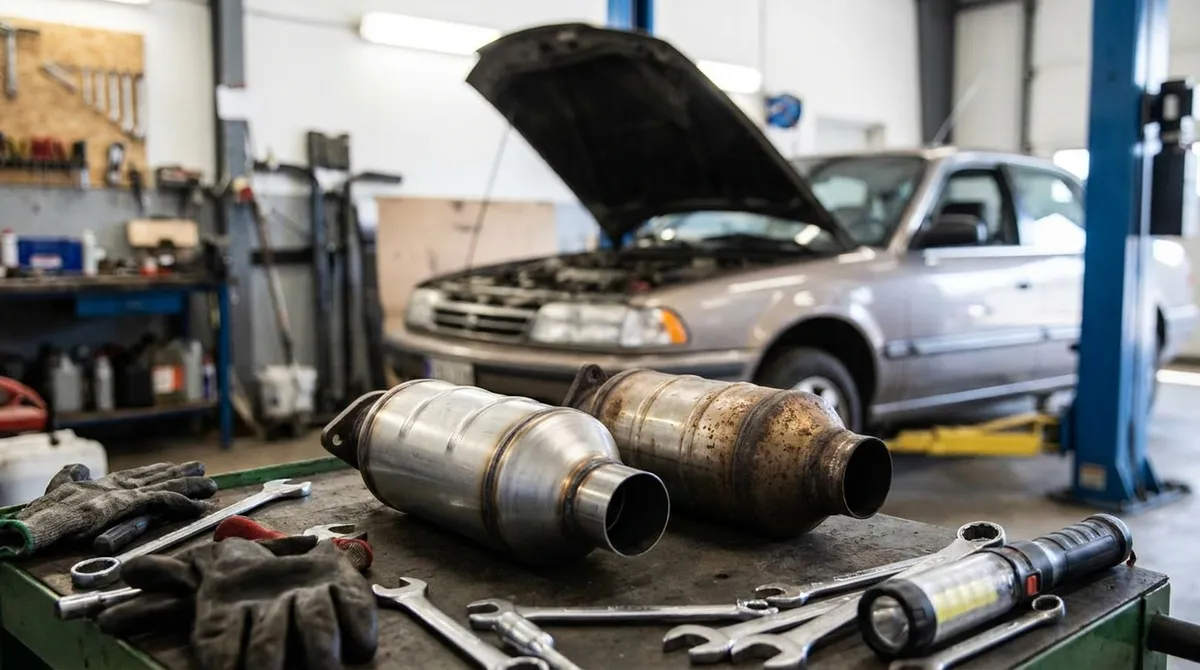
A failing catalytic converter is a headache, mostly because of the bill. These parts aren’t cheap, and when you’re faced with a big repair, the question of whether to go with an original equipment manufacturer (OEM) part or a cheaper aftermarket option always comes up. It’s not a simple choice, and the right answer depends on a few things.
Why Catalytic Converters Fail
Before you replace a cat, it’s smart to figure out why it went bad in the first place. Catalytic converters don’t usually just die on their own. They’re often victims of other engine problems. Common culprits include:
- Rich Fuel Mixture: Too much fuel getting into the exhaust can overheat the converter, melting the internal honeycomb structure. This can be caused by leaky fuel injectors, a bad oxygen sensor, or a faulty mass airflow sensor.
- Oil or Coolant Contamination: If your engine is burning oil or leaking coolant into the combustion chamber, these fluids can coat the catalyst and make it useless.
- Physical Damage: Hitting something on the road can dent or crack the converter, damaging the internal components.
- Old Age: Over time, the catalyst material can degrade, especially on high-mileage vehicles.
When a cat starts to fail, you might notice a rotten egg smell, reduced engine power, or a glowing check engine light. Often, a failing catalytic converter will trigger a diagnostic trouble code like P0420, which points to catalyst system efficiency below threshold. It’s crucial to address the root cause, or you’ll be replacing the new converter sooner than you’d like.
The Cost Difference: OEM vs. Aftermarket
There’s a big price gap between OEM and aftermarket catalytic converters, and it’s not just about the brand name. OEM converters typically use higher concentrations of precious metals like platinum, palladium, and rhodium. These metals are expensive, and their precise formulation is designed to meet the exact emissions standards for your specific vehicle from the factory.
Aftermarket converters, on the other hand, often use fewer or different precious metals, or a less complex design, to keep costs down. This doesn’t always mean they’re bad, but it does mean they might not perform exactly like the original.
When an Aftermarket Cat Is a Good Bet
For many older vehicles or those in states with less strict emissions testing, a good quality aftermarket catalytic converter can be a perfectly fine choice.
- Older Vehicles: If your car is getting up there in years and miles, and you’re not planning to keep it forever, an aftermarket cat can save you a chunk of change. The cost difference might not justify an OEM part on a car with limited remaining lifespan.
- Less Strict Emissions States: Some states only require a basic emissions check, or none at all, for older vehicles. In these cases, a standard aftermarket converter that meets federal EPA standards is usually sufficient.
- Budget Constraints: Sometimes, it just comes down to what you can afford. A functional aftermarket cat is better than driving around with a failed one, which can damage other engine components and pollute the air.
When considering an aftermarket part, look for reputable brands that offer a decent warranty. A direct-fit unit is usually better than a universal one, as it’s designed to bolt right into your exhaust system without extra cutting or welding.
When to Stick with OEM or High-Quality Aftermarket
There are situations where skimping on a catalytic converter can lead to more headaches and expense down the road.
- California and CARB States: If you live in California or one of the states that follow California Air Resources Board (CARB) emissions regulations (like New York, Massachusetts, etc.), you’ll likely need a CARB-compliant catalytic converter. These are generally more expensive, whether OEM or aftermarket, because they’re built to stricter standards. Using a non-CARB compliant cat in these states will cause you to fail inspection.
- Newer Vehicles or Long-Term Ownership: If your car is relatively new, under warranty, or you plan to keep it for many more years, an OEM or high-quality aftermarket converter designed to meet original specifications is often the better investment. It’s more likely to perform correctly and last longer, preventing repeat check engine lights related to catalyst efficiency.
- Complex Exhaust Systems: Some vehicles, especially those with multiple catalytic converters or intricate exhaust designs, might not play well with generic aftermarket parts. The vehicle’s computer system is highly tuned to the original exhaust flow and back pressure.
- Persistent Issues: If you’ve already tried a cheaper aftermarket cat and are still getting a check engine light or failing emissions, it might be time to bite the bullet and go with an OEM or a top-tier aftermarket option. Sometimes, an underlying issue like an intermittent misfire can damage even a new cat, so be sure the root cause is fixed.
What to Look For in Any Replacement
No matter which route you go, always verify that the replacement catalytic converter is designed for your specific year, make, and model. Check for a warranty – a good aftermarket cat should come with at least a 2-year warranty, if not more. If you’re unsure about the best option for your vehicle, a trusted mechanic can help you weigh the pros and cons based on your local regulations and driving habits. You can also use the MECH AI app to get specific advice on parts for your exact car.
Replacing a catalytic converter is a big job and a significant expense. Don’t just swap the part and call it a day; make sure you or your mechanic diagnose and fix whatever caused the original one to fail. Otherwise, you’ll be back at square one with another dead cat and a glowing check engine light.