F-150 3.5L EcoBoost Intake Leaks: What to Look For
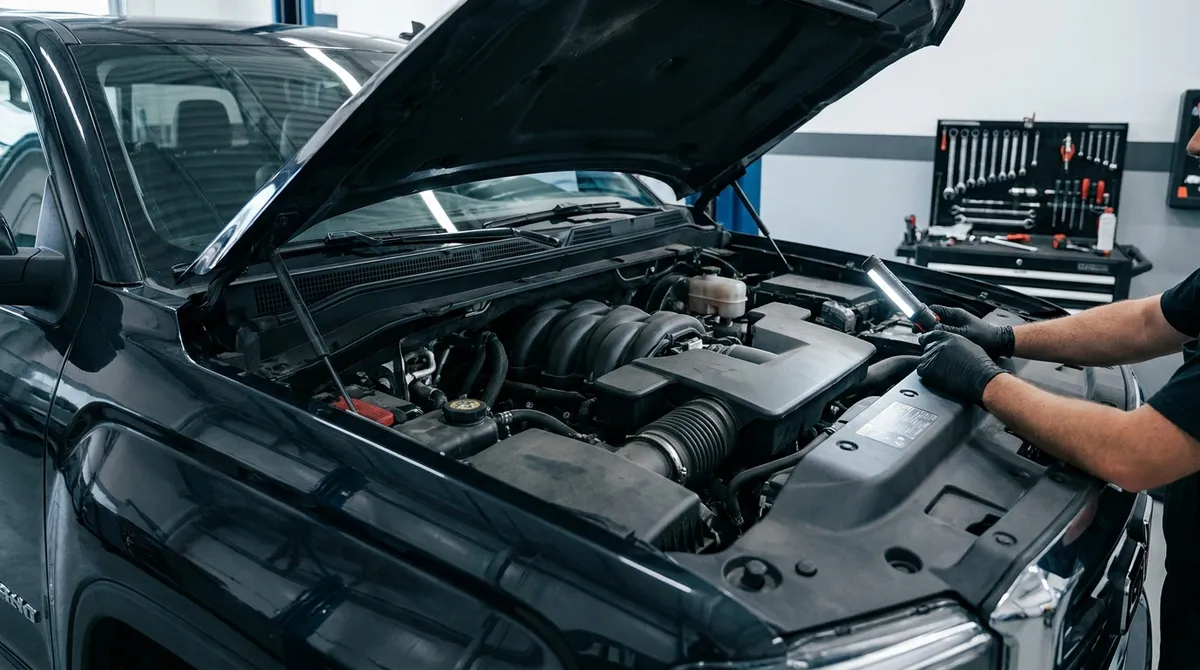
If you’re running a 2017 to 2020 Ford F-150 with the 3.5L EcoBoost engine, you might eventually run into some trouble with the intake manifold. It’s not a secret that these engines can accumulate oil in the intake tract, and sometimes, that leads to bigger headaches like leaks or performance problems. Knowing what to look for can save you time and money.
The Root of the Problem: Oil and Design
The 3.5L EcoBoost engine, especially the second generation, uses a direct injection fuel system. While great for power and efficiency, it means fuel isn’t sprayed over the intake valves to clean them. Couple that with a PCV (Positive Crankcase Ventilation) system that can allow oil vapor into the intake, and you’ve got a recipe for oil accumulation and carbon buildup on the valves and inside the manifold.
Over time, this oil and carbon can cause a few problems. It can gunk up sensors, restrict airflow, and even lead to the intake manifold gaskets failing or the plastic manifold itself cracking due to heat, pressure, or just plain wear from oil exposure. Ford recognized some of these PCV-related issues, issuing TSB 19-2187 for excessive oil consumption and smoke, which points to the PCV system as a culprit. While that TSB focuses on oil consumption, the underlying issue of oil in the intake system is directly related to potential manifold problems.
Signs Your Intake Manifold Might Be Leaking
A leaking intake manifold or excessive oil buildup will usually make itself known. Keep an eye (and ear) out for these common symptoms:
- Rough Idle or Misfires: If the engine isn’t getting the right air/fuel mix, it’ll run rough, especially at idle. You might feel a shake or stumble.
- Check Engine Light (CEL): This is often the first sign. Common trouble codes related to intake leaks or PCV issues include:
- P0171 / P0174 (System Too Lean Bank 1 / Bank 2): The engine is getting too much air or not enough fuel, often due to a vacuum leak.
- P0300-P0306 (Random/Specific Cylinder Misfire): Misfires can happen if a cylinder isn’t getting the right mix.
- Reduced Engine Performance: You might notice a drop in power, especially under acceleration, or the truck just doesn’t feel as responsive as it used to.
- Increased Oil Consumption: If oil is getting past the PCV system and into the intake, you might find yourself adding oil more often.
- White or Blue Smoke from Exhaust: This is a strong indicator of oil burning, often related to the PCV system allowing too much oil into the combustion chambers. TSB 19-2187 specifically addresses this.
- Whistling or Hissing Noises: A vacuum leak in the intake system can sometimes create an audible whistling or hissing sound, especially when the engine is running.
- Fuel Trim Issues: A scanner will show positive fuel trims (long term and short term) trying to compensate for the extra air, indicating a lean condition.
What to Check When You Suspect a Leak
If you’re seeing any of the symptoms above, here’s where to start looking:
- Visual Inspection: Pop the hood and look for any obvious cracks on the plastic intake manifold. Check around the manifold gaskets for signs of oil residue or discoloration.
- PCV Valve and Hoses: Inspect the PCV valve (often on the passenger side valve cover) and all related hoses. Look for cracks, hardening, or blockages. A faulty PCV valve is a common cause of oil getting into the intake.
- Smoke Test: A shop can perform a smoke test on the intake system. This involves injecting smoke into the intake manifold while the engine is off. Smoke will escape from any leaks, making them easy to spot.
- Listen for Leaks: With the engine running, carefully listen around the intake manifold for any hissing sounds. You can also use a can of unlit propane or carb cleaner to carefully spray around the manifold gaskets. If the engine RPM changes, you’ve found a leak. Be careful with flammables.
- Check Oil Separator: The 3.5L EcoBoost has an oil separator (sometimes integrated into the valve cover). If it’s clogged or failing, it won’t separate oil vapor properly, leading to more oil in the intake.
Fixing the Problem
The fix depends on the exact cause. If it’s a cracked manifold, replacement is the only way. If it’s just the gaskets, those can be replaced. If the PCV system is the primary culprit, replacing the PCV valve and inspecting the related hoses and oil separator is key. Sometimes, cleaning the intake manifold and valves is also necessary to remove built-up carbon and oil.
When replacing the manifold, it’s a good practice to:
- Use new gaskets. Don’t cheap out here.
- Inspect the intake ports for carbon buildup and clean them if necessary.
- Check the condition of the PCV valve and hoses, replacing them if they show any signs of wear.
- Ensure all electrical connectors and vacuum lines are reconnected properly.
This isn’t a job for the faint of heart or someone without the right tools. There are a lot of components to remove and reinstall, and proper torque specs are critical for the manifold bolts.
If your F-150 is showing these signs, don’t ignore them. A lean condition or misfires can lead to more serious engine damage down the road. Get it to a trusted shop where they can properly diagnose the issue with a smoke test and check engine light codes. They’ll get you back on the road without burning through extra oil or fuel.